

Bringing home a pet is easy to picture: a wagging tail at the door, a sleepy cat on the couch, or a small companion making the house feel more alive.
Understanding the Costs
Pet expenses fall into three broad groups: startup costs, routine monthly costs, and occasional or emergency costs. The monthly total will depend on your pet’s species, size, age, health, and care needs. Your location and lifestyle will also affect the bill.
A healthy indoor cat may cost far less each month than a large dog that needs professional grooming, training, medication, and daily care. Even two pets of the same breed can have very different needs. For that reason, a pet budget should be treated as a flexible plan rather than a fixed price.
The American Pet Products Association reported that Americans spent $158 billion on pets in 2025. Food, veterinary care, supplies, medicine, grooming, boarding, and other services all contributed to that total. Pet ownership is clearly a major household expense, even when each individual purchase seems small.
A Quick Monthly Pet Expense Breakdown
The following ranges offer a realistic starting point for common dog and cat expenses. They are general estimates, so actual costs can fall above or below them.
| Expense | Dog per Month | Cat per Month |
| Food | $30 to $100 | $20 to $60 |
| Treats | $5 to $25 | $3 to $15 |
| Routine veterinary care | $20 to $50 | $15 to $40 |
| Preventive medicine | $15 to $40 | $10 to $30 |
| Pet insurance | $30 to $80 | $15 to $40 |
| Grooming | $5 to $100 | $5 to $30 |
| Toys and supplies | $10 to $35 | $10 to $30 |
| Waste supplies or litter | $5 to $20 | $15 to $40 |
| Training or care services | $0 to $200 or more | $0 to $75 or more |
| Emergency savings | $25 to $100 | $25 to $75 |
| Estimated total | $145 to $750 or more | $118 to $435 or more |
Many owners will land somewhere in the middle of these ranges. A dog that eats standard food, receives basic home grooming, and does not need daycare might cost $200 to $350 per month. A healthy indoor cat may cost between $120 and $250.
These estimates do not include the initial cost of getting a pet. They also exclude major surgery, chronic illness, property damage, pet deposits, and long trips that require boarding.
Food Takes a Regular Bite out of the Budget

Food is one of the easiest pet expenses to predict, but prices vary widely. A small dog may finish one bag slowly, while a large or highly active dog can go through food at a surprising rate. Cats usually eat less by volume, though wet food and prescription diets can raise the monthly bill.
Age and health matter as well. Puppies and kittens may need food made for growth, while older pets can require formulas that support their joints, kidneys, digestion, or weight. If a veterinarian recommends a prescription diet, food costs may double or even triple.
You can control food spending without choosing the cheapest product on the shelf. Compare the price per pound or serving, use store rewards, and check whether automatic delivery offers a discount. Before changing foods, ask your veterinarian how to make the switch safely.
Routine Veterinary Care Should Be a Monthly Expense
Most owners do not visit the veterinarian every month, but it still makes sense to budget for care that way. Setting aside a small amount each month makes annual exams, vaccines, testing, and other routine services easier to cover.
For example, if a yearly wellness visit costs $240, saving $20 each month will fund it by the time the appointment arrives. Older pets may need exams twice a year, bloodwork, dental care, or ongoing medication. Their monthly medical allowance should be higher.
Routine visits can also prevent larger bills. A veterinarian may spot dental disease, weight gain, skin trouble, or another concern before it becomes painful and costly. Skipping basic care may save money today, but it can lead to a much higher expense later.
Preventive Medicine Is Easy to Overlook
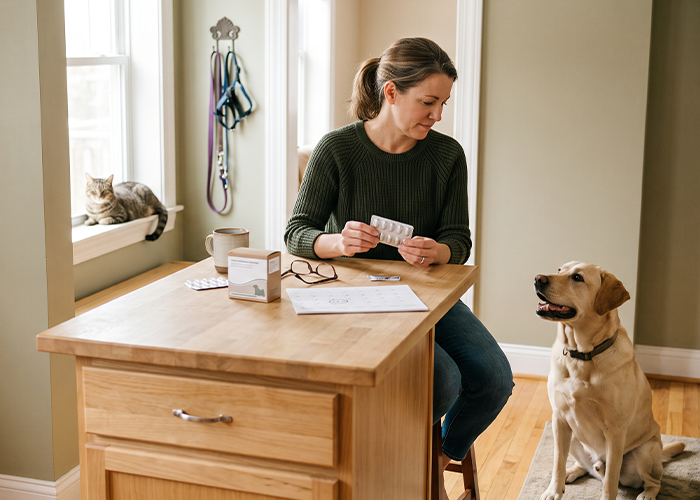
Flea, tick, and heartworm protection often gets left out of early pet budgets. These products may be purchased monthly, every few months, or in a larger annual package. The price usually depends on the pet’s weight and the type of coverage.
Indoor pets may need preventive treatment too. Fleas can enter homes on clothing, other animals, or household items. Cats and dogs can also be exposed to mosquitoes and parasites on porches, during walks, or while traveling.
Ask your veterinarian which products make sense for your area and pet. Do not combine treatments without guidance. Buying the wrong size or using a product made for another species can be dangerous.
Pet Insurance Can Make Large Bills More Manageable
Pet insurance requires another monthly payment, but it may help with eligible treatment after an accident or illness. Premiums often vary based on the pet’s age, breed, location, and coverage level. Plans for cats generally cost less than plans for dogs.
Read the policy closely before enrolling. Many plans do not cover preexisting conditions, and some exclude routine care unless you purchase a wellness add-on. Deductibles, reimbursement rates, annual limits, and waiting periods can also change what you receive.
Insurance is not the only option. Some owners prefer to place money in a dedicated emergency fund each month. Others use both methods so they can cover the deductible, pay the bill upfront, and wait for reimbursement without draining their household savings.
Grooming Costs Depend on the Pet
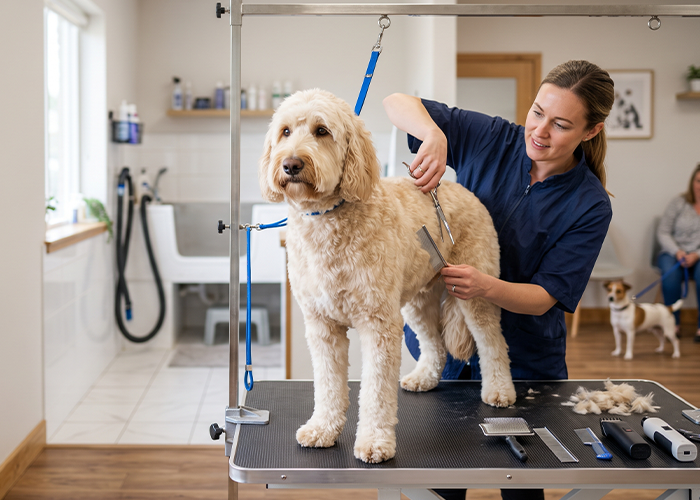
A short-haired pet may only need brushes, shampoo, nail clippers, and occasional professional care. A long-haired dog or a breed with a coat that grows continuously may need a grooming appointment every four to eight weeks. That can add $50 to $150 or more each visit.
Basic grooming can be done at home if the pet allows it and the owner learns the right method. Brushing, bathing, ear cleaning, and nail trimming can lower professional costs. However, difficult coats, severe matting, and nervous behavior may require an experienced groomer.
Cats are often skilled at cleaning themselves, but they still need nail care and regular brushing. Older cats, overweight cats, and long-haired breeds may need more help. Grooming is not just about appearance; it can reveal skin problems, lumps, parasites, and sore areas.
Toys and Supplies Add up Quietly
A collar, leash, bed, crate, carrier, litter box, scratching post, bowls, brushes, and cleanup tools may seem like one-time purchases. In reality, many of these items wear out, break, or need replacement as a pet grows.
Toys also disappear, lose their stuffing, or become unsafe after heavy use. Cats may scratch through cardboard pads, while strong dogs can destroy a toy in minutes. A small monthly allowance keeps replacement purchases from disrupting the household budget.
It helps to focus on safety and use instead of quantity. Many pets are happy with a few toys that are rotated each week. Inspect each item often, remove loose pieces, and choose products that suit the animal’s size and chewing habits.
Cats Bring Their Own Household Costs
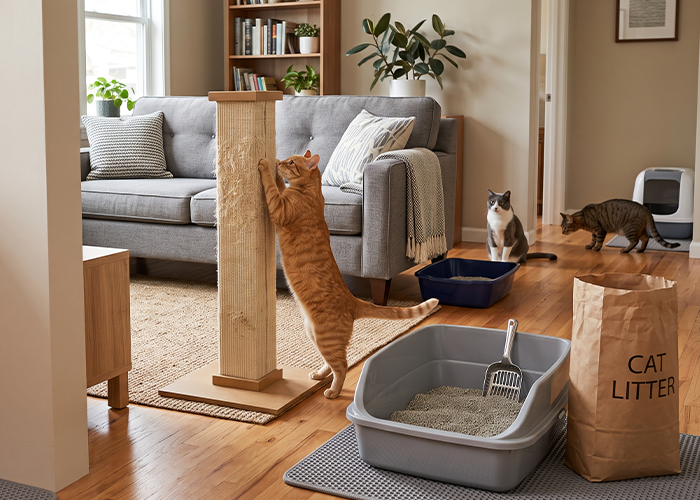
Cat litter is one of the largest routine costs that applies mainly to cat owners. The amount needed will depend on the type of litter, the number of cats, and how often the boxes are fully cleaned. A multicat home may spend $30 to $70 or more each month.
Scratching surfaces also need to be replaced. Without suitable options, a cat may turn to rugs, doorframes, or furniture. Paying for scratching posts can be much cheaper than repairing part of the home.
Most experts recommend more than one litter box when several cats share a home. Extra boxes require more litter, mats, scoops, and space, but they can reduce stress and bathroom problems.
Dogs May Need Training and Daily Care
Training is a cost that many new dog owners underestimate. Group classes may be affordable, while private sessions can cost much more. Still, good training can protect your home, improve safety, and make daily life less stressful.
Dog walking and daycare can become major monthly expenses for people who work long hours. Even occasional visits may cost hundreds of dollars during a busy month. Before adopting a dog, consider who will handle bathroom breaks, exercise, and supervision during the day.
Some dogs adjust well to being home for reasonable periods. Puppies, senior dogs, and pets with medical or behavior concerns often need more support. The cost of that care should be included before the animal comes home.
Housing Rules Can Change the Total
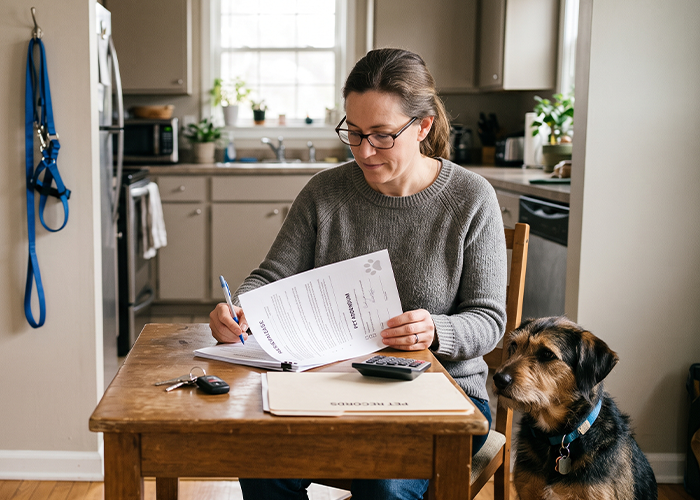
Renters may face pet deposits, monthly pet rent, or nonrefundable pet fees. A property might also restrict certain breeds, weights, or numbers of animals. These rules should be checked before signing a lease or adopting a pet.
Homeowners and HOA residents need to review their community rules too. An HOA may set limits on where pets can walk, how waste must be handled, or how many animals a home can have. Fines may be charged when owners do not follow those standards.
Pets can also affect homeowners or renters insurance. Some insurers ask about dog breeds or past bite incidents. Contacting the insurer early can help you understand whether the pet changes your premium or coverage.
Travel Creates Another Layer of Spending
A weekend away can lead to boarding, pet-sitting, or travel fees. Prices rise during holidays and school breaks, which are often the exact times families want to travel. Pets that need medication or extra supervision may cost more to board.
Taking a pet along is not always cheaper. Hotels may charge pet fees, airlines have their own requirements, and safe travel may require a carrier, health certificate, or other supplies.
If you travel several times a year, create a separate pet travel category. Divide your expected annual boarding or sitting cost by 12 and save that amount each month. This keeps vacation care from becoming a last-minute financial shock.
Emergency Care Can Change Everything
An upset stomach or minor injury might lead to a modest vet bill. Surgery, hospitalization, testing, or treatment for a serious illness can cost thousands. These expenses often arrive with little time to compare prices or gather funds.
Start an emergency reserve as soon as possible. Even $25 or $50 per month can create a useful cushion. If you already have a pet, keep this fund separate from money for food, vaccines, and other planned needs.
You can build the fund with a simple goal:
- Save the first $500 for urgent exams and tests.
- Increase the balance to $1,000.
- Work toward one insurance deductible plus your share of a large bill.
- Refill the account after using it.
An emergency fund does not replace veterinary care or insurance. It gives you more room to make decisions based on your pet’s needs rather than the balance in your checking account.
Do Not Forget the Cost of Getting Started
Adoption or purchase is only one part of bringing home a pet. New owners may need to pay for an exam, vaccines, spaying or neutering, microchipping, licensing, and basic supplies during the first few weeks.
Common startup purchases include:
- Food and water bowls
- A collar, harness, and leash
- A bed, crate, or carrier
- A litter box and scoop
- Grooming tools
- Initial food and treats
- Toys and training supplies
- Baby gates or other safety items
- Cleaning products made for pet messes
Depending on the animal, startup costs may range from a few hundred dollars to well over $1,000. Adoption fees sometimes include vaccines, microchipping, and spaying or neutering, so ask what has already been done.
How to Build a Practical Monthly Pet Budget
Begin with essential care, then add services that fit your schedule and lifestyle. Look at your normal household spending to make sure the pet budget will remain comfortable during expensive months.
Use these steps:
- Estimate monthly food, litter, medicine, and supply costs.
- Divide annual vet and licensing costs by 12.
- Add insurance premiums or emergency fund savings.
- Include grooming, training, walking, or daycare.
- Set aside money for boarding and travel.
- Add a buffer of at least 10% for price changes.
Review the budget every few months. A growing puppy, an aging cat, or a new health concern can quickly change the numbers. Keeping the plan current makes it easier to provide steady care.
Ways to Save Without Cutting Good Care
Saving money on pet care should not mean skipping meals, medicine, or vet visits. The goal is to spend wisely while protecting your pet’s health.
A few helpful options include:
- Compare prices by serving rather than package size.
- Use loyalty programs and automatic shipping discounts.
- Ask the veterinarian whether a generic medication is available.
- Learn basic brushing, bathing, and nail care.
- Rotate toys instead of buying new ones each week.
- Schedule preventive visits before small problems get worse.
- Compare insurance policies while the pet is young.
- Trade pet-sitting help with a trusted friend or relative.
- Keep the pet at a healthy weight to reduce health risks.
- Store food properly so it stays fresh and does not go to waste.
Be careful with homemade diets, unapproved medicine, and very cheap products. A food plan should meet the animal’s nutritional needs, and medicine should be given only under proper guidance.
Is Your Household Ready for the Expense?
Before adopting, test the budget for two or three months. Place the estimated pet amount into savings and see whether your household can manage without it. At the end of the trial, you will also have money ready for startup expenses.
Ask yourself a few honest questions:
- Can I cover routine care without using credit?
- What would I do if a $1,000 vet bill arrived?
- Who will care for the pet when I work or travel?
- Does my housing allow this type of animal?
- Can I afford the pet as it gets older?
- Will I still have room for my other financial goals?
Love is essential, but reliable care also requires time, planning, and money. Thinking through these questions is a responsible step, not a sign that you care any less.
Plan Today for a Happier Life Together
The true cost of a pet changes over time, but a thoughtful monthly budget can keep normal expenses and surprise bills under control.
When you prepare for food, health care, supplies, services, and emergencies, you can spend less time worrying about money and more time enjoying life with your companion.
Ready to welcome a pet into your home? Start planning for their everyday care, set aside a little for unexpected expenses, and create a comfortable, loving space they can call home.
For more helpful advice on pet care and home living, visit HomeLiving for more tips and practical resources.
Related Articles: