
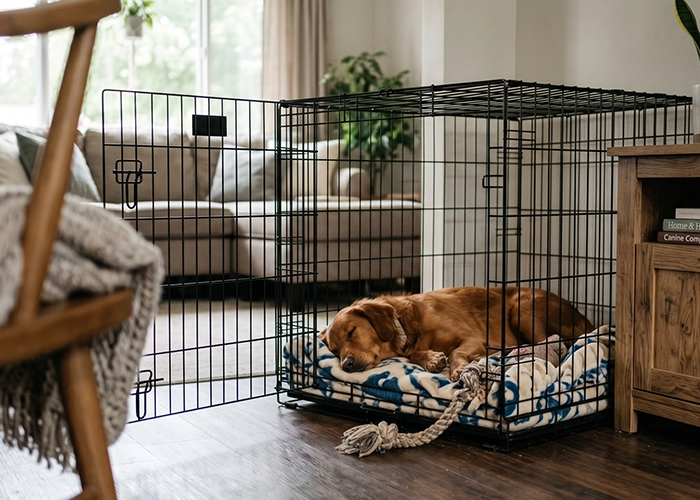
Crate training for dogs is one of the most talked-about methods in pet care, yet it often comes with mixed opinions. When done correctly, it can create a sense of comfort and structure that benefits both pets and owners.
Understanding the pros, cons, and best practices will help you decide if this approach fits your home and your dog’s needs.
Understanding Crate Training for Dogs
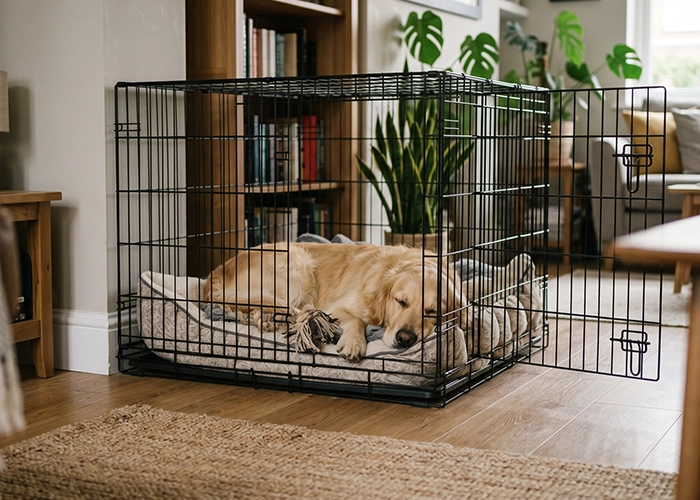
Crate training for dogs is the practice of using a crate as a safe, controlled space where a dog can rest, relax, and feel secure. It is not meant to be a form of punishment. Instead, it works best when the crate becomes a place your dog willingly chooses.
Dogs naturally seek enclosed spaces when they want to feel protected. This instinct is what makes crate training effective when introduced in a positive way. Over time, many dogs begin to see their crate as their own personal retreat.
When used properly, a crate can help with house training, reduce anxiety, and create predictable routines. However, the approach must be handled with care to avoid negative associations.
Why Many Pet Owners Choose Crate Training
Crate training has become a common part of modern pet ownership because it offers practical benefits that fit into everyday routines. For households with busy schedules, it provides structure without constant supervision.
It also helps protect your home. Puppies and untrained dogs can chew furniture, damage belongings, or get into unsafe items. A crate limits those risks while your dog is still learning boundaries.
Another reason is safety. In situations like travel, emergencies, or vet visits, dogs that are comfortable in a crate tend to handle stress better. That familiarity can make a noticeable difference in how they respond to change.
The Pros of Crate Training
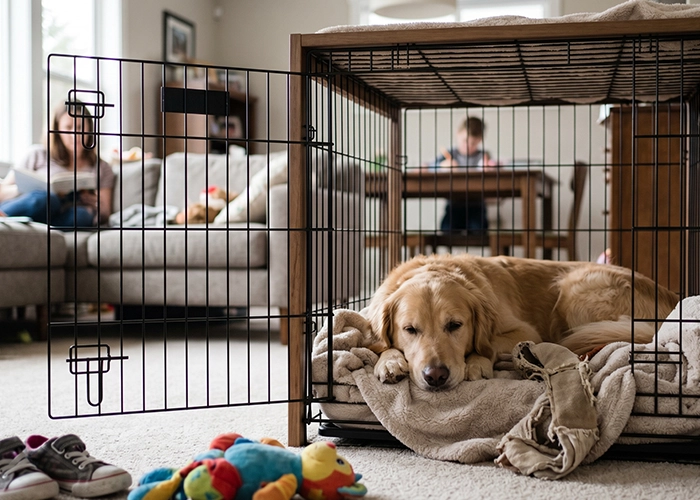
Crate training offers several advantages when it is introduced thoughtfully and used consistently.
- Supports House Training
Dogs naturally avoid soiling the area where they sleep. This instinct makes crates a helpful tool when teaching bathroom habits. It encourages dogs to hold it until they are taken outside. - Creates a Safe Space
A crate can become a calm environment where your dog can relax without distractions. This is especially helpful in busy households or homes with children. - Reduces Anxiety in Some Dogs
For dogs that feel overwhelmed, having a designated space can provide comfort. It gives them a place to retreat when they need quiet time. - Helps With Travel and Vet Visits
Dogs that are used to crates often adapt more easily to carriers and transport situations. This reduces stress during trips or medical appointments. - Prevents Destructive Behavior
When you are not able to supervise your dog, a crate can prevent chewing, digging, or other unwanted behaviors. This protects both your belongings and your pet.
The Cons of Crate Training
While crate training has clear benefits, it is not without drawbacks. These should be considered before deciding if it is right for your dog.
- Risk of Overuse
A crate should never replace regular interaction, exercise, or attention. Dogs that spend too much time confined may develop frustration or behavioral issues. - Can Increase Anxiety if Misused
If a dog is forced into a crate or associates it with punishment, it can lead to fear. This defeats the purpose and makes training more difficult. - Not Ideal for Every Dog
Some dogs, especially those with past trauma or severe anxiety, may not respond well to crate training. Each dog’s personality plays a role in how effective it will be. - Requires Consistency and Patience
Crate training is not an instant solution. It takes time, repetition, and a calm approach. Without consistency, progress may stall. - Potential for Misunderstanding
Some people see crates as restrictive or unfair. While this is not always the case, it highlights the importance of using the method responsibly.
Choosing the Right Crate for Your Dog
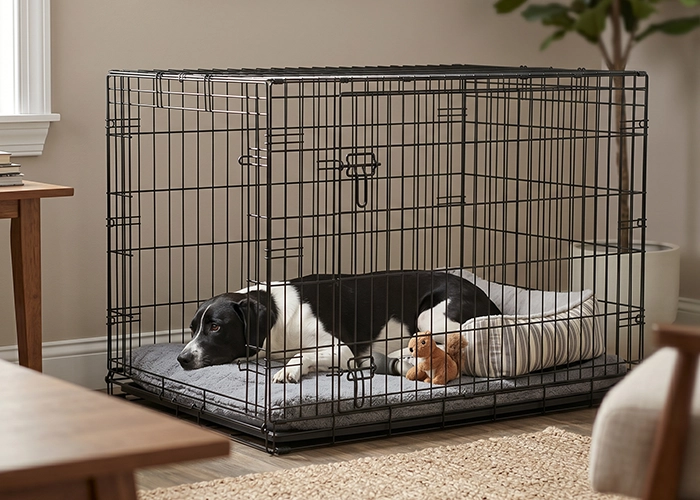
Selecting the right crate is an important step that can influence how successful training will be. Size matters more than many people realize.
A crate should be large enough for your dog to stand, turn around, and lie down comfortably. At the same time, it should not be so large that it feels open and unstructured. Finding the right balance helps reinforce the sense of security.
Material is another factor. Wire crates offer ventilation and visibility, while plastic crates provide a more enclosed feel. Soft-sided crates can work for calm dogs but may not be suitable for those that chew.
Placement in your home also matters. Keeping the crate in a quiet but accessible area helps your dog feel included while still having a peaceful space.
Best Practices for Crate Training
Successful crate training depends on how the process is introduced and maintained. A thoughtful approach can make all the difference.
- Start With Positive Associations
Introduce the crate slowly. Allow your dog to explore it on their own terms. Placing treats or favorite toys inside encourages curiosity and builds comfort. - Keep Sessions Short at First
Begin with short periods and gradually increase the time. This helps your dog adjust without feeling overwhelmed. - Never Use the Crate as Punishment
The crate should always feel safe. Using it as a form of discipline can create fear and resistance. - Establish a Routine
Consistency helps dogs understand what to expect. Feeding, bathroom breaks, and crate time should follow a predictable schedule. - Make It Comfortable
Adding a soft bed or blanket can make the crate more inviting. However, this should be adjusted based on your dog’s habits, especially if they tend to chew.
Common Mistakes to Avoid
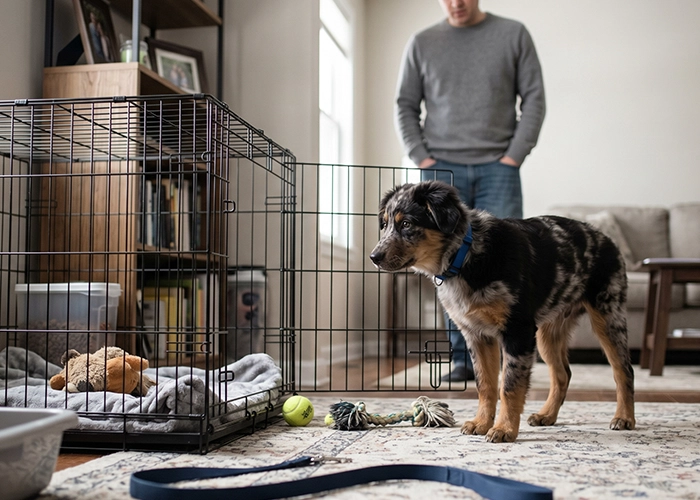
Even well-intentioned owners can run into challenges if certain mistakes are made during the training process.
- Moving Too Fast
Rushing the process can cause stress and setbacks. It is better to move slowly and build trust over time. - Ignoring Your Dog’s Signals
If your dog shows signs of distress, it should not be ignored. Adjusting your approach may be necessary to ensure comfort. - Inconsistent Training
Mixed signals can confuse your dog. Consistency is key to helping them understand expectations. - Leaving Dogs Crated Too Long
Dogs need regular exercise, interaction, and mental stimulation. Long periods of confinement can lead to frustration. - Skipping Proper Introduction
Simply placing a dog in a crate without preparation often leads to resistance. A gradual introduction is always more effective.
When Crate Training May Not Be the Best Fit
Crate training is not a one-size-fits-all solution. Some situations call for alternative approaches.
Dogs with severe separation anxiety may struggle in a crate, especially if they associate confinement with stress. In these cases, working with a trainer or behavior specialist may be a better path.
Older dogs that have never been crate trained may also need a different approach. While it is still possible, it often requires more patience and careful adjustment.
It is also worth considering your lifestyle. If your schedule requires long hours away from home, relying heavily on a crate may not be ideal. Dogs thrive on interaction, and their environment should reflect that.
Creating a Balanced Approach at Home
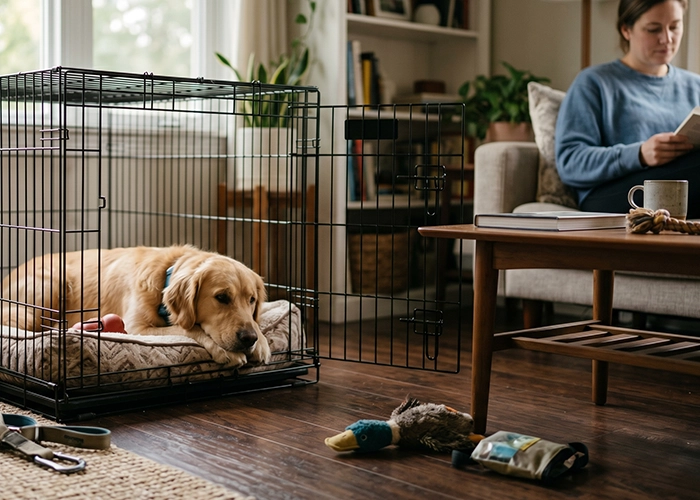
Crate training works best when it is part of a larger routine that includes exercise, play, and bonding time. It should never replace the attention your dog needs to stay happy and healthy.
Combining crate use with regular walks, training sessions, and social interaction creates a well-rounded experience. This balance helps your dog develop confidence and positive behavior.
It is also helpful to view the crate as one tool among many. When used alongside other training methods, it becomes part of a supportive environment rather than a limitation.
Give Your Dog a Comfortable Start Today
A well-trained dog begins with thoughtful choices at home. Crate training, when done right, can create a calm and secure environment that benefits everyone.
If you are looking to improve your home life and your pet’s routine, start small, stay consistent, and build a space your dog truly enjoys.
Related Articles: