
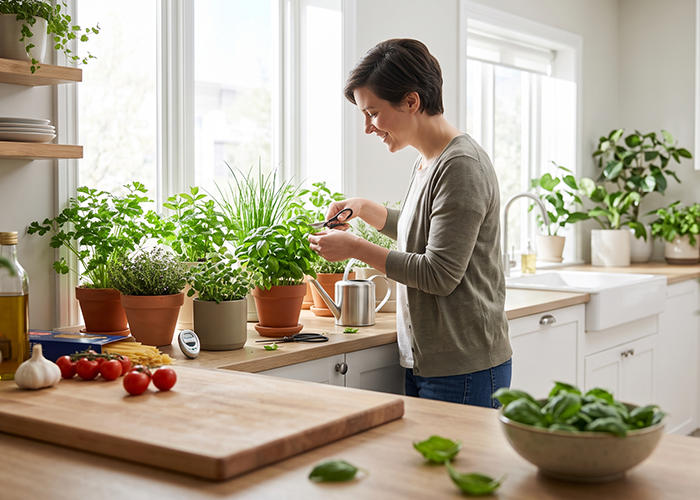
Fresh herbs can completely change the way a meal tastes, and growing them at home makes them even more rewarding. The best herbs to grow indoors are easy to care for, fit comfortably on a windowsill, and provide fresh leaves whenever you need them.
Turn Any Room into a Fresh Herb Garden
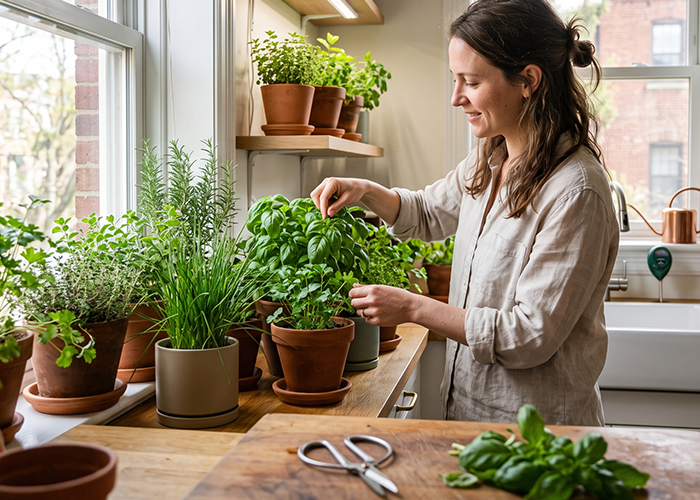
Whether you have a sunny kitchen or a small apartment, an indoor herb garden lets you enjoy homegrown flavor all year. With the right plants and a few simple care habits, anyone can grow healthy herbs without needing a large outdoor garden.
An indoor herb garden is one of the easiest ways to bring fresh ingredients into your kitchen. Herbs take up very little space, and many varieties adapt well to life indoors when they receive enough sunlight and consistent care.
Not every herb performs equally well inside, though. Some naturally thrive in containers and tolerate indoor conditions better than others. Choosing the right varieties helps you enjoy stronger growth, healthier plants, and a steady harvest throughout the year.
Basil
Basil is often the first herb people think about when starting an indoor garden. Its fragrant leaves add fresh flavor to pasta, pizza, soups, and homemade pesto.
Basil prefers plenty of sunlight, ideally six to eight hours each day. A south-facing window usually works well, although a quality grow light can easily supplement natural light when needed.
Water the soil once the top inch feels dry, but avoid letting the pot remain soggy. Pinching off the growing tips encourages the plant to become fuller instead of tall and leggy.
Parsley
Parsley is surprisingly easy to grow indoors and offers a clean, fresh taste that works with many dishes. Flat-leaf parsley is often preferred for cooking, while curly parsley also makes an attractive houseplant.
This herb enjoys bright light but can tolerate slightly less sunshine than basil. Consistent moisture helps parsley stay healthy, although overwatering should still be avoided.
Harvest the outer stems first so the center of the plant continues producing new growth.
Chives
If you’re looking for an herb that asks very little from you, chives are an excellent choice. Their mild onion flavor works well in eggs, baked potatoes, salads, dips, and soups.
Chives grow in compact clumps, making them perfect for small containers. They appreciate bright light and evenly moist soil.
Instead of pulling leaves, trim them with clean scissors about two inches above the soil. New growth usually appears quickly.
Mint
Mint grows vigorously and is one of the easiest herbs for beginners. Fresh mint brightens teas, desserts, fruit salads, and refreshing drinks.
Because mint spreads aggressively, it should always be grown in its own container. Otherwise, it can crowd out neighboring herbs.
This plant enjoys moderate moisture and bright indirect light. Regular trimming keeps it compact while encouraging fresh, tender leaves.
Thyme
Thyme may be small, but it offers big flavor. Its earthy aroma complements roasted vegetables, poultry, soups, and slow-cooked meals.
Unlike many herbs, thyme prefers slightly drier soil. Allow the soil surface to dry before watering again.
A sunny window helps thyme stay dense and flavorful throughout the year.
Oregano
Oregano thrives surprisingly well indoors and becomes even more flavorful as the leaves mature.
This herb prefers plenty of direct sunlight and slightly dry conditions between waterings. Avoid keeping the soil constantly wet.
Frequent harvesting encourages bushier growth while preventing the stems from becoming woody.
Rosemary
Rosemary is one of the more challenging indoor herbs, but the effort often pays off. Its woody stems and fragrant needles make it both useful and decorative.
Good airflow, bright sunlight, and careful watering are essential. Rosemary dislikes wet roots, so containers with drainage holes are especially important.
Allow the top layer of soil to dry before watering again.
Cilantro
Cilantro grows quickly and offers fresh flavor for tacos, salsa, curries, and salads.
Because cilantro has a relatively short life cycle, many gardeners sow new seeds every few weeks for a continuous harvest.
Cooler indoor temperatures often help this herb last longer before flowering.
What Herbs Need to Thrive Indoors

Growing herbs indoors isn’t complicated, but their basic needs should still be met. Once those conditions are in place, many herbs grow reliably throughout the year.
1. Plenty of Light
Most culinary herbs love sunshine.
Aim for:
- Six to eight hours of direct sunlight daily
- A south-facing or southwest-facing window when possible
- LED grow lights if natural light is limited
If herbs begin stretching toward the light or producing pale leaves, they likely need additional brightness.
2. Containers With Drainage
Healthy roots depend on good drainage.
Choose containers that include drainage holes so excess water can escape. Decorative pots can still be used if a plastic nursery pot sits inside them.
Standing water is one of the fastest ways to damage indoor herbs.
3. Well-Draining Potting Mix
Regular garden soil is often too heavy for indoor containers.
Instead, use a lightweight potting mix designed for container gardening. This allows air to reach the roots while helping excess water drain away.
4. Consistent Watering
Herbs appreciate regular watering, but they rarely enjoy wet soil.
A simple habit works well:
- Check the top inch of soil.
- Water when it feels dry.
- Empty any excess water from saucers afterward.
This routine helps prevent both underwatering and root rot.
5. Occasional Feeding
Container-grown herbs eventually use the nutrients available in their soil.
Feed them every four to six weeks during active growth using a balanced liquid fertilizer diluted according to the label directions.
Too much fertilizer may produce large leaves with weaker flavor, so moderation is best.
Common Mistakes That Can Slow Growth
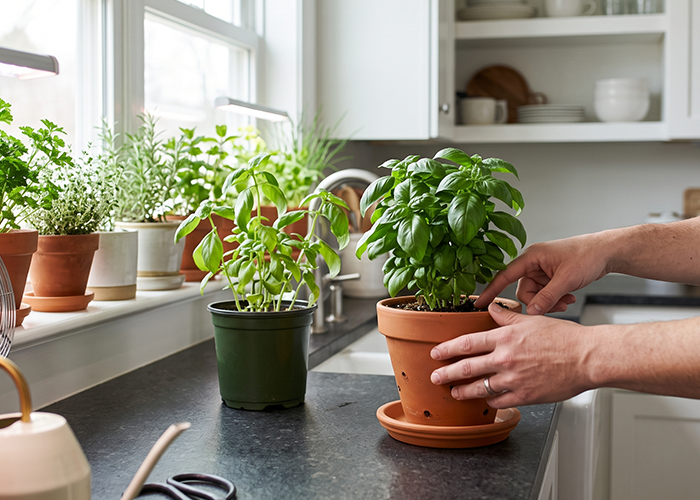
Many indoor herb problems are surprisingly easy to fix. Recognizing them early can keep plants healthy for much longer.
Giving Too Much Water
Overwatering remains the most common issue with indoor herbs.
Yellow leaves, soft stems, and unpleasant smells often point to excessive moisture around the roots.
Checking soil before watering is much more reliable than following a fixed schedule.
Choosing the Wrong Location
A dark countertop may look attractive, but herbs rarely thrive there.
If sunlight is limited, moving plants closer to a bright window or adding grow lights often makes an immediate difference.
Harvesting Too Much at Once
It’s exciting to cook with homegrown herbs, but removing too many leaves can weaken the plant.
A good rule is to harvest no more than one-third of the plant at any one time. This leaves enough foliage for continued healthy growth.
Ignoring Air Circulation
Indoor air can become stagnant, especially during colder months when windows remain closed.
Good airflow reduces excess moisture around leaves and helps discourage mold or mildew.
Even a small fan running occasionally can improve growing conditions.
How to Harvest Herbs the Right Way
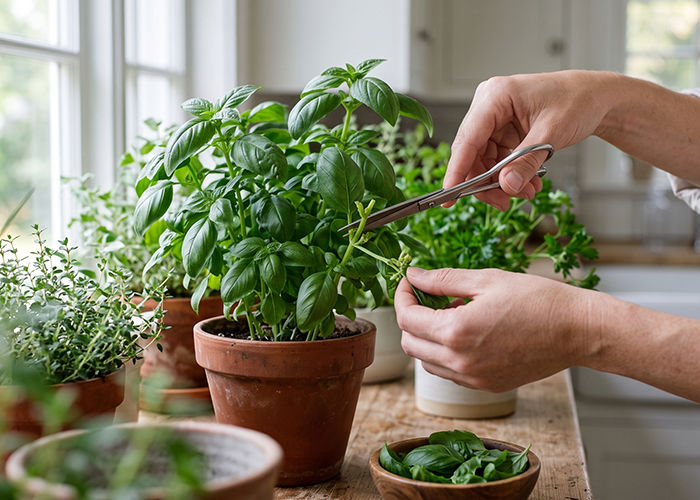
Harvesting correctly encourages herbs to keep producing throughout the season.
Follow these simple practices:
- Use clean, sharp scissors.
- Harvest in the morning when flavors are strongest.
- Trim above a leaf node whenever possible.
- Remove flowers from leafy herbs if you want continued leaf production.
- Harvest regularly instead of waiting until plants become overgrown.
Frequent light harvesting often produces healthier plants than occasional heavy cutting.
Creative Ways to Use Fresh Indoor Herbs

One of the biggest rewards of growing herbs indoors is finding new ways to enjoy them every day.
Fresh basil instantly brightens homemade pizza, sandwiches, and pasta dishes. Chopped parsley can be sprinkled over roasted vegetables, grilled chicken, or soups for extra freshness.
Mint turns ordinary water into a refreshing drink and adds flavor to fruit salads or homemade desserts. Rosemary pairs beautifully with roasted potatoes, while thyme complements slow-cooked meats and vegetables.
You can also freeze chopped herbs in olive oil using ice cube trays. These ready-to-use cubes make weeknight cooking faster while reducing food waste.
Why Indoor Herb Gardens Are Worth the Effort
An indoor herb garden offers much more than fresh ingredients. Caring for plants creates a relaxing daily routine and brings a little greenery into your living space.
Growing herbs also helps reduce grocery trips since fresh leaves are always within reach. Many gardeners find they cook more often simply because flavorful ingredients are sitting right on the kitchen windowsill.
Perhaps the biggest reward is harvesting something you’ve grown yourself. Even a small collection of herbs can make everyday meals feel a little more special.
Bring Fresh Flavor Home Every Day
Growing herbs indoors is one of the simplest ways to enjoy fresh ingredients all year long. With plenty of light, the right containers, and regular care, even beginners can build a thriving indoor herb garden that adds beauty, fragrance, and flavor to everyday cooking.
There’s something deeply satisfying about snipping fresh herbs just steps from your stove no trip to the store required.
As your indoor garden settles in, you’ll likely find yourself wanting to expand it, experiment with new varieties, or pair your herbs with other plants for even better results. That’s where a little more know-how goes a long way, and HomeLiving.blog is a great place to keep discovering fresh ideas for growing, cooking, and living well at home.
Related Articles: