
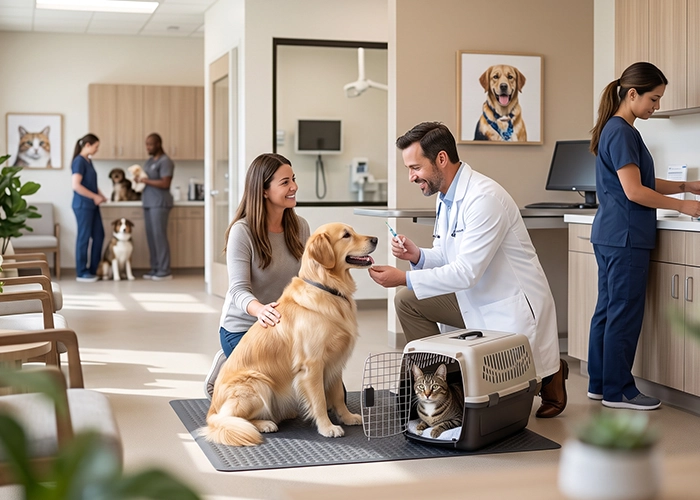
Pets become part of the family very quickly. They share our homes, our routines, and often our favorite spots on the couch. A reliable vaccination guide for dogs and cats helps owners make informed decisions that protect both pets and the people who love them.
Understanding Why Vaccines Matter
Vaccines help prevent serious illnesses, reduce medical costs, and support longer, healthier lives. Understanding what your pet needs and when they need it can make every stage of pet ownership easier.
Vaccines train the immune system to recognize and fight harmful diseases before an infection becomes serious. Instead of waiting for a pet to become sick, vaccinations prepare the body to respond quickly when exposure happens.
Many diseases that once caused widespread illness among pets are now far less common because vaccination rates improved. Conditions such as rabies, distemper, and parvovirus can still occur, but vaccination has greatly reduced their impact.
Pets that spend time outdoors, visit boarding facilities, attend grooming appointments, or interact with other animals face higher exposure risks. Even indoor pets benefit from vaccines because some diseases can be brought into the home through people, other animals, or insects.
Veterinarians generally divide vaccines into two categories:
- Core vaccines
- Non-core vaccines
Core vaccines are recommended for nearly every pet. Non-core vaccines depend on lifestyle, environment, travel habits, and exposure risk.
How Vaccines Work in Pets
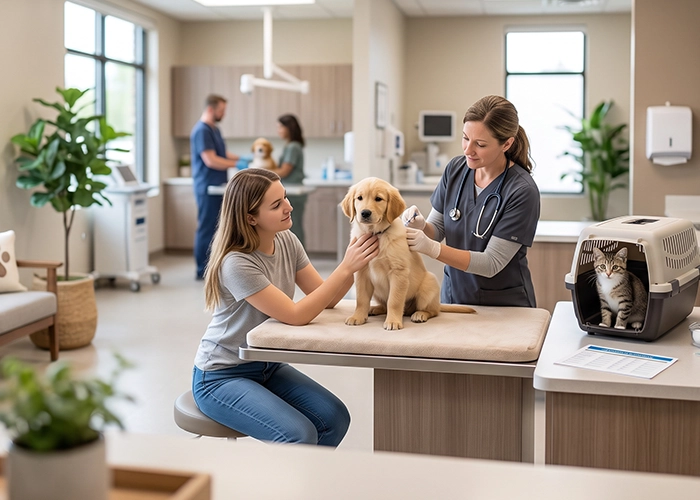
A vaccine introduces a harmless portion of a virus or bacteria into the body. This allows the immune system to recognize the threat without causing the actual disease.
Once the immune system responds, it creates protective antibodies. If the pet later encounters the disease, the body can react much faster.
Young animals depend heavily on vaccinations because their immune systems are still developing. Puppies and kittens receive some protection from their mothers, but that protection fades over time.
Because maternal antibodies gradually disappear, a series of vaccinations is often required during the first few months of life. This schedule helps ensure continuous protection.
Core Vaccines for Dogs
Dogs require several vaccines that veterinarians consider essential regardless of breed or lifestyle.
Rabies Vaccine
Rabies affects the nervous system and is almost always fatal once symptoms appear. It can also spread to humans, which makes vaccination especially important.
Many states legally require rabies vaccination. Puppies often receive their first dose between 12 and 16 weeks of age, followed by boosters according to local regulations.
Distemper Vaccine
Canine distemper attacks multiple body systems, including the respiratory, digestive, and nervous systems. The disease spreads easily through contact with infected animals.
Symptoms may include fever, coughing, vomiting, and neurological problems. Vaccination provides strong protection against this serious illness.
Parvovirus Vaccine
Parvovirus is highly contagious and especially dangerous for puppies. It causes severe vomiting, diarrhea, dehydration, and weakness.
The virus can survive in the environment for long periods. Vaccination remains the best defense.
Adenovirus Vaccine
Canine adenovirus can lead to infectious hepatitis, which affects the liver, kidneys, and eyes. Vaccinated dogs have a much lower risk of severe complications.
Many combination vaccines protect against distemper, parvovirus, and adenovirus at the same time.
Non-Core Vaccines for Dogs

Not every dog needs every vaccine. Lifestyle often determines which additional vaccinations are recommended.
Bordetella Vaccine
Bordetella is commonly associated with kennel cough. Dogs that visit boarding facilities, dog parks, groomers, or daycare centers often benefit from this vaccine.
Leptospirosis Vaccine
Leptospirosis is caused by bacteria found in contaminated water and soil. Wildlife can spread the disease, and humans may also become infected.
Dogs that spend time outdoors, hike, camp, or live in rural areas may need this protection.
Lyme Disease Vaccine
Ticks transmit Lyme disease. Dogs living in wooded regions or areas with high tick activity may receive this vaccine as part of their preventive care plan.
Canine Influenza Vaccine
Dog flu outbreaks occasionally occur in areas where large numbers of dogs gather. Boarding facilities and training centers sometimes recommend vaccination.
Core Vaccines for Cats
Cats have their own vaccination needs. Even indoor cats can benefit from several essential vaccines.
Rabies Vaccine
Rabies vaccination is commonly required by state or local law. Cats may encounter wildlife or accidentally escape outdoors.
Protection against rabies helps safeguard both pets and people.
FVRCP Vaccine
The FVRCP vaccine protects against three serious illnesses:
- Feline viral rhinotracheitis
- Calicivirus
- Panleukopenia
Respiratory infections caused by these viruses can spread quickly among cats. Panleukopenia, sometimes called feline distemper, can be especially dangerous for kittens.
Combination vaccines allow cats to receive protection against multiple diseases during a single visit.
Non-Core Vaccines for Cats
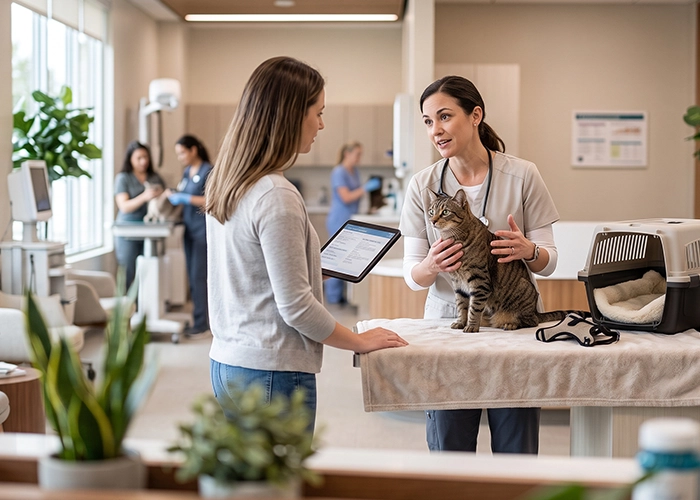
Some vaccines depend on a cat’s environment and exposure level.
Feline Leukemia Vaccine
Feline leukemia virus weakens the immune system and increases the risk of several diseases. Cats that spend time outdoors or live with infected cats face greater risk.
Kittens often receive this vaccine because their future lifestyle may change as they grow.
Chlamydia Vaccine
Certain multi-cat environments may create higher risks for bacterial eye and respiratory infections. Veterinarians occasionally recommend this vaccine for specific situations.
Bordetella Vaccine for Cats
Although less common than in dogs, Bordetella can affect cats. Shelters or crowded environments sometimes increase exposure risk.
Recommended Puppy Vaccination Schedule
Puppies require several visits during their first months.
Typical schedules may include:
- 6 to 8 weeks: Initial vaccines
- 10 to 12 weeks: Booster doses
- 14 to 16 weeks: Final puppy series
- 12 to 16 weeks: Rabies vaccination
- One year later: Booster shots
Schedules can vary based on local disease risks and veterinary recommendations.
Skipping appointments may leave gaps in protection, which is why consistency matters during the first year.
Recommended Kitten Vaccination Schedule
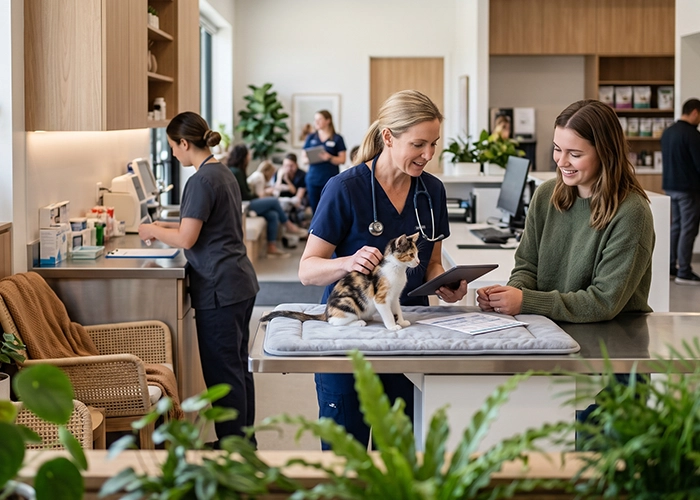
Kittens follow a similar schedule.
Many veterinarians recommend:
- 6 to 8 weeks: First FVRCP vaccine
- 10 to 12 weeks: Booster vaccination
- 14 to 16 weeks: Final kitten series
- 12 to 16 weeks: Rabies vaccine
- Feline leukemia vaccines when appropriate
Annual or triennial boosters may follow depending on the vaccine type.
Owners should keep vaccination records organized to avoid missed appointments.
What to Expect After Vaccination
Most pets experience little to no discomfort after receiving vaccines. Mild reactions are generally temporary.
Common side effects include:
- Mild tiredness
- Slight soreness at the injection site
- Reduced appetite
- Mild fever
- Sleeping more than usual
These effects often disappear within a day or two.
Serious reactions remain uncommon. Owners should contact their veterinarian if they notice facial swelling, difficulty breathing, vomiting, or severe lethargy.
Monitoring pets after appointments helps identify any unusual responses quickly.
Why Booster Shots Matter

Vaccines do not always provide lifelong immunity. Booster shots help maintain protection as antibody levels decline.
Some vaccines require annual boosters. Others may last three years or longer. Veterinary recommendations continue to evolve based on current research.
Many owners assume that puppy or kitten vaccines provide permanent protection. In reality, continued care remains important throughout adulthood.
Senior pets often continue receiving vaccines, although their schedules may change depending on health conditions and lifestyle.
Indoor Pets Still Need Protection
Some owners believe indoor pets do not require vaccines. While indoor pets may face lower risks, exposure is still possible.
A cat may escape through an open door. A dog may encounter wildlife during a walk. Visitors can unknowingly carry pathogens into the home.
Veterinarians consider several factors when making recommendations:
- Age
- Health history
- Lifestyle
- Geographic location
- Travel habits
- Exposure to other animals
Every pet is different, which is why individualized care plans work best.
Questions to Ask Your Veterinarian
Owners often feel overwhelmed by vaccination schedules. Asking questions can make decisions easier.
Helpful questions include:
- Which vaccines are required for my pet?
- Which vaccines are recommended based on lifestyle?
- How often are boosters needed?
- Are there any risks for my pet’s age or health condition?
- What side effects should I watch for?
Veterinary visits create opportunities to discuss overall wellness, nutrition, dental care, and preventive treatments.
Strong communication between owners and veterinarians supports better long-term health.
Keeping Vaccination Records Organized
Vaccination records become important throughout a pet’s life. Groomers, boarding facilities, daycare centers, and travel programs often require documentation.
Many owners keep:
- Printed vaccine certificates
- Digital copies
- Veterinary portal records
- Calendar reminders
Having easy access to records reduces stress when appointments or travel plans arise.
Regular wellness visits also allow veterinarians to update records and adjust recommendations when necessary.
A Healthier Future Starts With Prevention
Vaccinations remain one of the simplest ways to protect dogs and cats from serious diseases. Staying current with vaccines supports healthier pets, reduces medical risks, and provides peace of mind for owners.
Every pet has unique needs, so working closely with a veterinarian ensures the right vaccination plan at every stage of life.
Give Your Pets the Protection They Deserve
A healthy home includes healthy pets. Staying informed about vaccinations helps your dogs and cats enjoy longer, safer, and happier lives.
If your pet is due for vaccines or a wellness visit, schedule an appointment with your veterinarian and create a preventive care plan that supports your entire family.
Related Articles:
- Crate Training for Dogs: Pros, Cons, and Best Practices Every Owner Should Know
- 9 Frozen Treats For Dogs Homemade Recipes
- How To Calm Dog Anxiety Naturally: Calming Your Anxious Furry Pal