
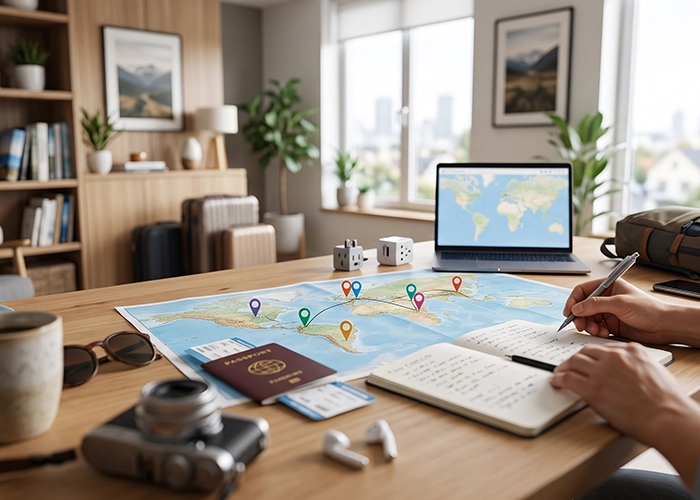
Traveling to several countries in one journey can feel exciting and overwhelming at the same time. Learning how to plan a multi-country trip helps you avoid unnecessary costs, travel delays, and scheduling mistakes while allowing you to enjoy every destination.
Whether you are planning a European vacation, an Asian adventure, or a combination of countries across continents, a thoughtful approach can turn a complicated itinerary into an enjoyable experience.
How to Set Clear Goals

Before booking flights or hotels, think about the purpose of your trip. Some travelers want to explore history and culture, while others focus on food, nature, or family experiences. Your travel goals influence every decision that follows.
A common mistake is trying to visit too many places in a short period. While it may sound exciting to see six countries in ten days, the reality often involves airports, train stations, and exhaustion. A slower pace usually creates a better experience.
Ask yourself a few important questions:
- What experiences matter most?
- How much vacation time do you have?
- What is your overall budget?
- Do you prefer cities, beaches, mountains, or small towns?
Having clear priorities makes the planning process much easier.
Choose Countries That Make Sense Together
One of the smartest ways to reduce stress is to select destinations that naturally fit together. Neighboring countries often share transportation routes, similar climates, and easier border crossings.
For example, travelers visiting Europe may combine France, Italy, and Switzerland. In Southeast Asia, Thailand, Vietnam, and Cambodia often work well together.
Think about travel distances carefully. Spending twelve hours flying between every destination can quickly become exhausting. Short train rides or regional flights save both time and energy.
It also helps to research seasonal weather patterns. Visiting one country during monsoon season and another during winter can create packing challenges and limit activities.
Determine the Length of Your Trip

The number of countries you visit should match the amount of time you have available. Many experienced travelers recommend spending at least three or four days in each destination.
A two-week vacation often works well for two or three countries. Longer journeys allow more flexibility and provide opportunities to slow down.
Travel days should also be included in your schedule. Moving between countries often takes longer than expected because of transportation delays, security checks, and local transit.
Leaving some open time in your itinerary can reduce pressure and create opportunities for unexpected experiences.
Build Your Route Carefully
Once your destinations are selected, begin mapping your route. The order of your stops can significantly affect travel costs.
Many travelers start in one major city and depart from another. This approach, often called an open-jaw itinerary, prevents unnecessary backtracking.
Consider these route planning factors:
- Arrival and departure airports.
- Transportation connections.
- Border crossing requirements.
- Seasonal weather conditions.
- Major local events or holidays.
Traveling in one direction rather than constantly returning to previous locations saves both money and time.
Digital maps can help visualize your route before you finalize any reservations.
Create a Realistic Budget
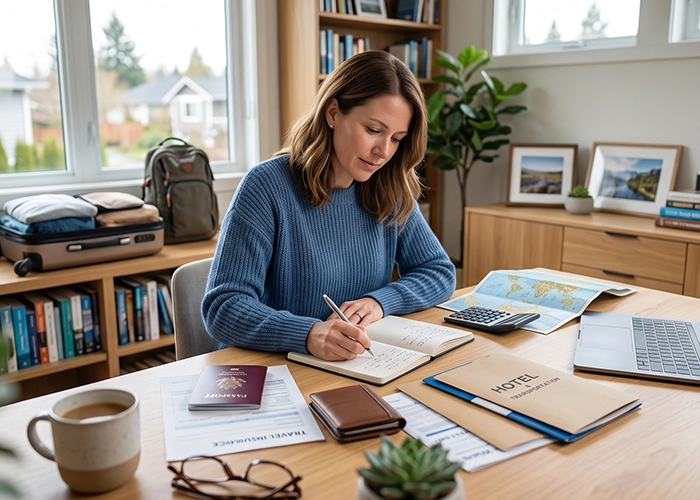
Budgeting becomes more important when visiting several countries because costs can vary greatly.
One destination may have affordable hotels and inexpensive meals, while another may require a larger daily budget. Research average expenses for accommodations, transportation, food, activities, and local transportation.
Your budget should include:
- International airfare
- Regional transportation
- Hotels or rentals
- Food and dining
- Attractions
- Travel insurance
- Emergency funds
Unexpected expenses often appear during long trips. Delayed flights, extra baggage fees, or transportation changes can affect your budget.
Setting aside emergency funds helps reduce financial stress.
Understand Visa and Entry Requirements
Every country has its own entry rules. Some destinations allow visa-free entry, while others require advance applications.
Passport validity rules should also be reviewed. Many countries require passports to remain valid for at least six months beyond your travel dates.
Research:
- Visa requirements
- Entry forms
- Vaccination requirements
- Customs regulations
- Transit requirements
These details can change over time, so checking official government sources before departure is important.
Keeping digital and printed copies of travel documents provides additional security.
Decide on the Best Transportation Methods
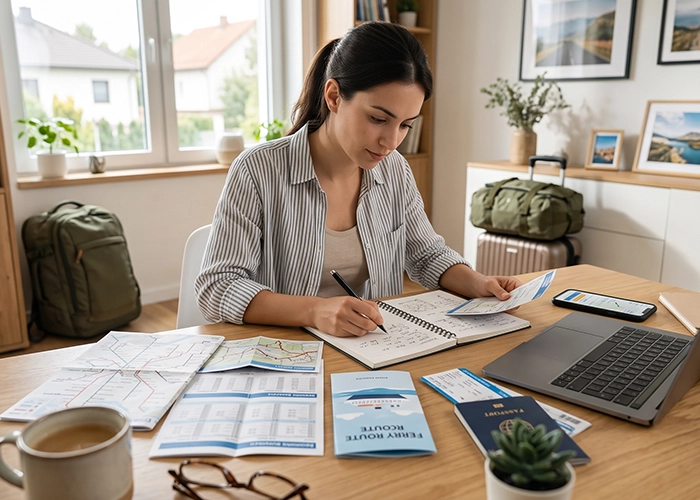
Transportation plays a major role in multi-country travel planning. Depending on the region, trains, buses, ferries, and flights may all be practical options.
European rail systems often provide efficient connections between countries. In other regions, budget airlines may offer affordable alternatives.
When comparing transportation options, consider:
- Travel time
- Total cost
- Luggage allowances
- Convenience
- Arrival locations
An inexpensive flight may become less attractive if the airport is several hours from the city center.
Night trains or overnight buses can sometimes save money on accommodations while reducing daytime travel.
Book Accommodations Strategically
Hotels, vacation rentals, and hostels each offer different advantages. The best choice depends on your travel style and budget.
Location often matters more than luxury. Staying near train stations, airports, or city centers can save time and transportation costs.
Booking accommodations early provides more choices, especially during busy travel seasons.
Many travelers prefer flexible reservations. This allows changes if travel plans shift during the trip.
It can also be helpful to mix accommodation types. A hotel in one city and a vacation rental in another may provide a balanced experience.
Pack Light for Greater Flexibility

Packing becomes more challenging when visiting multiple countries with different climates and activities.
Carrying fewer items makes airport transfers, train travel, and walking much easier. Large suitcases can quickly become a burden.
Focus on versatile clothing that can be layered. Neutral colors often work well because items can be mixed and matched.
Essential items include:
- Comfortable walking shoes
- Weather-appropriate clothing
- Travel adapters
- Medication
- Copies of important documents
- Portable chargers
Laundry facilities are widely available in many destinations, allowing travelers to pack less.
A lightweight bag often provides greater freedom throughout the journey.
Use Technology to Stay Organized
Modern travel tools simplify multi-country trips. Travel apps can organize reservations, maps, and schedules in one place.
Digital copies of passports, insurance documents, hotel confirmations, and tickets provide easy access during travel.
Offline maps are particularly useful when internet access becomes limited.
Travel planning tools can help with:
- Flight tracking
- Currency conversion
- Language translation
- Transportation schedules
- Budget tracking
Technology cannot prevent every problem, but it can make unexpected situations easier to manage.
Allow Time for Rest and Flexibility
Many travelers fill every hour of their itinerary. While this approach seems productive, it often leads to fatigue.
Long travel days, time zone changes, and unfamiliar environments require energy. Scheduling rest days helps maintain enthusiasm throughout the trip.
A flexible schedule also allows room for spontaneous discoveries. A local festival, hidden restaurant, or unexpected attraction may become one of your favorite memories.
Travel should feel enjoyable rather than rushed.
Leaving space in your itinerary often creates the most meaningful experiences.
Prepare for Cultural Differences
Each country has its own customs, etiquette, and traditions. Learning basic cultural expectations shows respect and improves interactions with local residents.
Simple gestures such as learning greetings, understanding tipping practices, and respecting local customs can make travel more enjoyable.
Researching cultural norms before arrival helps avoid misunderstandings.
Travelers often discover that adapting to local traditions enriches the overall experience.
Being curious and respectful opens doors to authentic experiences that guidebooks cannot provide.
Stay Safe While Traveling
Safety should remain a priority throughout your journey. While most travelers experience few problems, preparation is important.
Share your itinerary with family members or friends. Keep emergency contacts available and understand local emergency numbers.
Travel insurance provides protection for medical issues, cancellations, or lost belongings.
Remaining aware of your surroundings, protecting valuables, and following local guidance can reduce risks.
Confidence and preparation often contribute to safer travel experiences.
Make the Most of Your Journey
A multi-country trip offers opportunities to experience different cultures, foods, languages, and landscapes within a single vacation.
Rather than trying to see everything, focus on meaningful experiences. Enjoy local meals, walk through neighborhoods, and spend time observing daily life.
Photographs capture memories, but experiences create lasting impressions.
Traveling through several countries often changes perspectives and creates stories that stay with you long after returning home.
Your Next Adventure Starts With Good Planning
Learning how to plan a multi-country trip makes travel easier, more affordable, and far more enjoyable.
Careful planning allows you to spend less time worrying about logistics and more time experiencing the people, cultures, and places that make international travel so rewarding.
Every journey begins with thoughtful planning. Whether you’re exploring a nearby destination or traveling across the globe, the right preparation helps you travel with confidence and create unforgettable memories. Explore HomeLiving for more travel tips, destination guides, and inspiration for your next adventure.
Related Articles: