
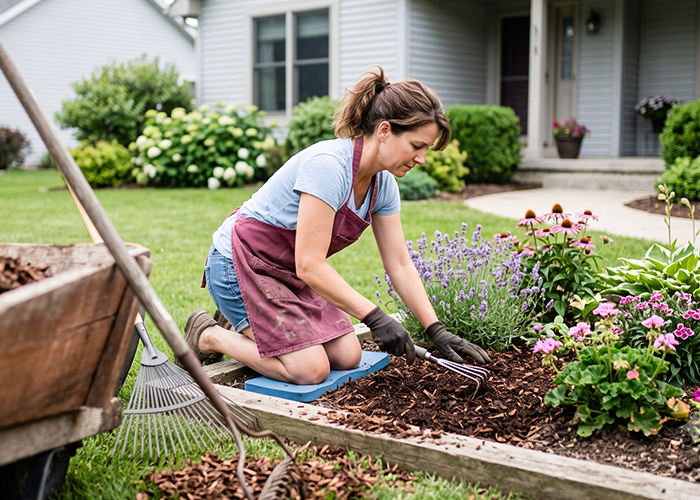
A beautiful yard doesn’t happen by accident. Healthy plants, rich soil, and tidy garden beds all require consistent care, but that doesn’t mean maintaining your landscape has to be difficult. One of the easiest ways to improve your outdoor space is by understanding the many garden mulch benefits and using mulch the right way.
The Unsung Hero of Healthy Landscaping
Whether you’re planting flowers, growing vegetables, or simply trying to make your yard easier to maintain, mulch offers advantages that go far beyond appearance. From protecting the soil to helping plants survive changing weather, it’s one of the simplest investments you can make for a healthier landscape.
The greatest garden mulch benefits begin below the surface. While mulch instantly gives flower beds and trees a clean, finished appearance, its biggest value comes from what it does for your soil and plants over time.
A layer of mulch acts like a protective blanket. It shields the soil from harsh sunlight, heavy rain, and rapid temperature swings. As a result, plant roots stay healthier and the soil remains in better condition throughout the growing season.
Homeowners often notice that mulched gardens require less watering, fewer weed treatments, and less ongoing maintenance. Those savings add up throughout the year while helping plants stay stronger during periods of stress.
How Mulch Helps Soil Hold Moisture

One of the biggest challenges in any garden is keeping the soil evenly moist. Hot summer days can dry out garden beds surprisingly fast, especially in areas that receive full sun.
Mulch slows evaporation by covering exposed soil. Instead of moisture escaping quickly into the air, water stays where plant roots need it. That means your plants remain hydrated longer after rainfall or watering.
For many homeowners, this translates into watering less frequently. It also helps reduce water waste, making mulch an environmentally friendly choice as well as a practical one.
Vegetable gardens, newly planted shrubs, and young trees especially benefit from consistent moisture levels. Their developing root systems depend on stable growing conditions.
Fewer Weeds Mean Less Work
Anyone who has spent a weekend pulling weeds knows how quickly unwanted plants can take over a garden bed.
Mulch creates a barrier that blocks sunlight from reaching weed seeds. Without enough light, many weeds never have the opportunity to sprout. Others grow much more slowly and are easier to remove.
While mulch won’t eliminate every weed, it dramatically reduces the number that appear throughout the season.
Benefits include:
- Less time spent weeding
- Reduced need for herbicides
- Cleaner-looking landscape beds
- Less competition for nutrients and water
The thicker and more consistent the mulch layer, the better the weed suppression tends to be.
Mulch Helps Regulate Soil Temperature

Plant roots don’t enjoy sudden temperature changes.
During summer, exposed soil can become extremely hot. In winter, repeated freezing and thawing can place stress on roots and even push plants out of the ground.
Mulch provides insulation that helps moderate these swings.
In warmer months, it keeps the soil cooler by reducing direct exposure to the sun. During colder months, it helps trap warmth already stored in the ground.
This more stable environment allows roots to grow steadily throughout the year.
Organic Mulch Improves Soil Naturally
Not all mulch serves the same purpose.
Organic mulch, which includes shredded bark, wood chips, compost, pine needles, and leaves, gradually breaks down over time.
As these materials decompose, they return valuable organic matter to the soil. This process improves soil structure, encourages beneficial microorganisms, and increases the soil’s ability to retain nutrients.
Healthier soil supports healthier plants, making organic mulch a long-term investment rather than just a seasonal improvement.
Many gardeners consider this one of the most valuable long-term benefits of mulching.
Your Landscape Looks More Finished
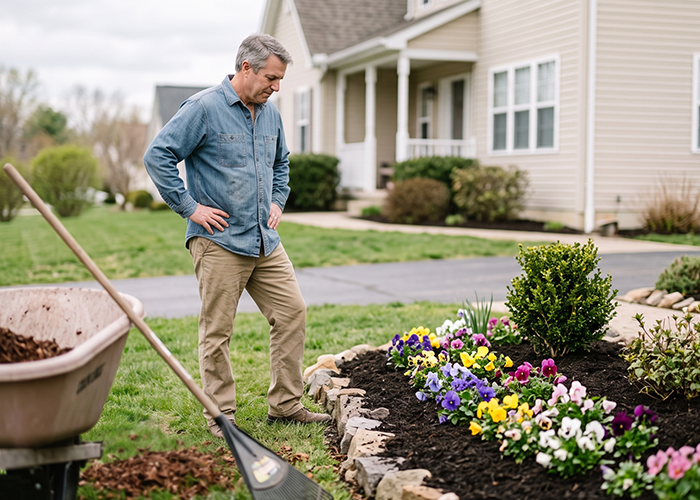
There’s no denying the visual impact mulch provides.
Fresh mulch instantly creates neat edges, highlights colorful flowers, and gives planting beds a polished appearance. It also creates contrast that helps shrubs, trees, and decorative plants stand out.
Whether you choose natural brown, black, cedar-colored, or pine straw mulch, the consistent appearance helps tie the entire landscape together.
Many homeowners refresh mulch every year simply because it boosts curb appeal so dramatically.
Mulch Helps Prevent Soil Erosion
Heavy rain can wash away valuable topsoil, especially on sloped properties or in newly planted areas.
Without protection, water carries soil, nutrients, and even young plants downhill.
Mulch absorbs much of the impact from rainfall before it reaches the ground. It also slows moving water, allowing more moisture to soak into the soil instead of washing it away.
This protection helps preserve healthy planting beds while reducing muddy runoff.
Plants Receive More Nutrients

Healthy soil contains nutrients that plants need to thrive.
When weeds compete for those same nutrients, flowers, vegetables, and shrubs often struggle to grow at their full potential.
Because mulch reduces weed growth, more nutrients remain available for desirable plants.
Organic mulch adds another advantage by slowly enriching the soil as it decomposes.
Together, these effects help create stronger, healthier growth throughout the garden.
Mulching Supports Healthier Tree Growth
Trees benefit from mulch just as much as flower beds do.
Applying mulch around the base of a tree helps retain moisture, protects surface roots, and reduces competition from grass.
A properly mulched tree ring also prevents lawn equipment from damaging the trunk. String trimmers and lawn mowers can easily injure bark, creating entry points for insects and disease.
For best results:
- Create a mulch ring several feet wide.
- Keep mulch about 2 to 4 inches deep.
- Leave several inches of open space around the trunk.
- Never pile mulch directly against the bark.
This technique is often called avoiding a “mulch volcano,” and it’s one of the most important mulching practices homeowners should follow.
Different Types of Mulch Offer Different Benefits
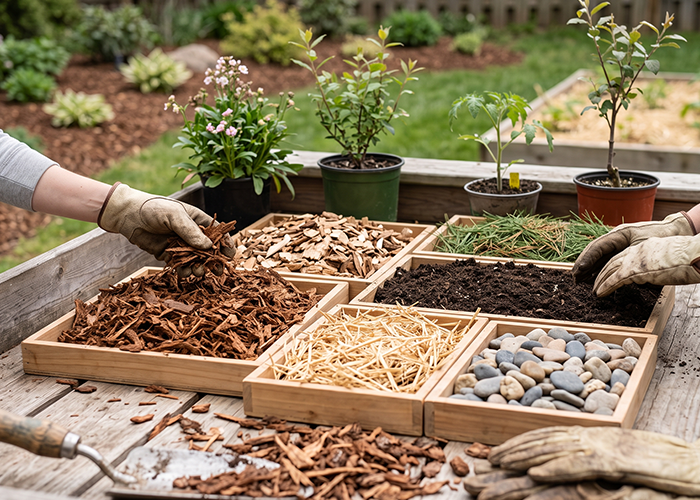
Choosing the right mulch depends on your goals.
Here are some of the most common options:
Shredded Bark
A popular choice for landscape beds because it stays in place well and breaks down slowly.
Wood Chips
Excellent around trees and shrubs where long-lasting coverage is desired.
Pine Needles
Ideal for certain plants and excellent for erosion control on slopes.
Compost
Provides nutrients while improving soil quality, making it a favorite in vegetable gardens.
Straw
Frequently used around vegetables because it helps retain moisture while remaining lightweight.
Decorative Stone
Although inorganic, stone mulch doesn’t decompose and works well in low-maintenance landscapes. However, it doesn’t improve soil like organic mulch does.
How Much Mulch Should You Apply?
Applying too much mulch can create problems just as easily as applying too little.
For most gardens, a depth of 2 to 4 inches works best.
If mulch is too thin, weeds can grow through it easily. If it’s too thick, water and oxygen may have trouble reaching the soil.
Keep mulch a few inches away from plant stems, shrubs, and tree trunks to help prevent moisture-related diseases and rot.
Refreshing mulch annually is usually enough to maintain its appearance and effectiveness.
Common Mulching Mistakes to Avoid
Even experienced gardeners occasionally make mistakes.
Here are some common ones worth avoiding:
- Applying mulch directly against tree trunks.
- Creating mulch layers deeper than 4 inches.
- Using fresh wood chips directly in vegetable gardens without allowing them to age.
- Forgetting to remove weeds before adding new mulch.
- Covering plant crowns completely.
Taking a little extra time during installation helps mulch perform exactly as intended.
When Is the Best Time to Mulch?
Spring remains one of the most popular times to apply mulch because it helps lock in moisture before temperatures rise.
However, mulching isn’t limited to spring.
Summer applications help reduce moisture loss during periods of intense heat.
Fall mulching provides insulation that protects roots during winter while preparing gardens for the next growing season.
In many regions, homeowners refresh mulch once each year and touch up thin spots whenever necessary.
Mulch Is a Small Change With Lasting Results
Some landscaping projects require major investments of time and money. Mulching isn’t one of them.
With relatively little effort, you can improve soil health, reduce maintenance, conserve water, and create a cleaner-looking landscape that stays healthier throughout the year.
Whether you’re maintaining a small flower bed or caring for an entire property, mulch delivers benefits that continue long after it’s been applied.
Give Your Garden the Care It Deserves
Healthy gardens begin with healthy soil, and mulch is one of the easiest ways to support both. Add the right mulch to your landscape this season and enjoy stronger plants, fewer weeds, and a yard that’s easier to maintain all year long.
Small improvements often produce the biggest results. A fresh layer of mulch could be the upgrade your garden has been waiting for. We hope this guide from HomeLiving.com gives you the confidence to get started, and that it becomes a helpful resource as you continue growing and caring for your garden.
If you found these tips useful, be sure to explore more gardening advice on HomeLiving.blog. Happy planting!
Related Articles: