

If you’re wondering how to fix your sleep schedule, small, steady changes can help you move toward more regular rest without trying to overhaul your whole life at once.
Get Your Sleep Routine Back on Track
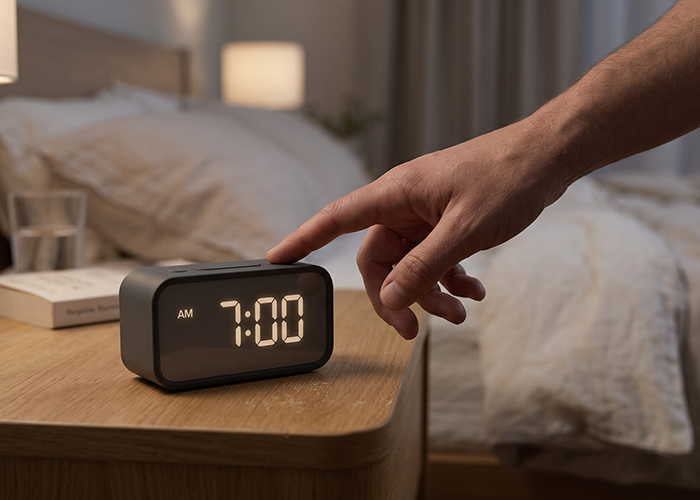
Start by choosing a wake-up time that fits your daily life. A steady wake time gives your day a clear starting point and makes it easier to plan when to wind down the night before. Most adults need at least seven hours of sleep, though your own needs may vary.
If your current schedule is far from your goal, give yourself time to adjust. Moving bedtime earlier by 15 to 30 minutes every few nights may feel more manageable than trying to go to bed hours earlier all at once. Keep your wake time steady as you make the shift.
A sleep schedule is more than a bedtime. It includes when you wake, when you get daylight, how late you use caffeine, and what you do in the hours before bed. A few habits working together can make the change easier to maintain.
Choose a Wake Time You Can Keep
Pick a wake-up time that works on workdays and days off. Sleeping in for several hours on the weekend can make Monday morning feel like a time-zone change. If you need extra rest, try to keep the difference modest rather than shifting your schedule dramatically.
Set an alarm for your wake time and put it somewhere you have to get up to turn it off. Once you’re out of bed, open the curtains or step outdoors for a few minutes. Morning light helps your body recognize that the day has begun.
If you have been waking late, don’t expect your body to feel ready for an early bedtime right away. Keep the new wake time as consistent as you can, then let your evening sleepiness move earlier over time. A gradual shift tends to be easier to stick with.
Move Bedtime in Small Steps

It can be tempting to climb into bed early and hope sleep comes. But if you are not sleepy, lying awake for a long time may leave you frustrated. Start your wind-down routine when you want the evening to get quieter, then go to bed when you feel ready to sleep.
Try shifting your bedtime in small steps. For example, if you usually fall asleep around 1 a.m. and want to move toward 11 p.m., aim for 12:45 first and hold that schedule for a few nights. When it feels more natural, move it earlier again.
A simple plan can help you keep track:
- Choose a consistent wake time.
- Note when you usually fall asleep for several days.
- Move bedtime earlier by 15 to 30 minutes every few nights.
- Keep the same wake time as your bedtime shifts.
- Adjust the pace if you are spending long stretches awake in bed.
This approach asks for patience, but it gives your body a chance to adapt. You do not need to make every change perfectly. If a late night happens, return to your usual wake time the next day and continue with your plan.
Build an Evening Routine That Feels Calming
A bedtime routine does not need to be elaborate. The goal is to give yourself a little time to slow down before bed. Choose a few quiet activities you enjoy, such as taking a warm shower, reading, stretching gently, or preparing for the next morning.
Screens can keep your attention engaged, and light from devices may make it harder to feel ready for bed. Try putting phones, tablets, and computers away at least 30 minutes before bedtime. If you use your phone as an alarm, set it up before you start winding down and keep it out of reach.
It also helps to create a clear stopping point for household tasks and work. Put tomorrow’s essentials by the door, write down a short list of unfinished tasks, and let the rest wait until morning. That small reset can make it easier to stop replaying the day once you lie down.
Make Your Bedroom Support Sleep

A bedroom should feel restful and comfortable. Keep it as dark, quiet, and cool as you can, using curtains, a fan, or earplugs if they help. You do not need expensive equipment to make useful changes.
Think about what tends to interrupt your sleep. A bright clock, a warm room, a noisy hallway, or an uncomfortable pillow may be part of the problem. Try one adjustment at a time so you can tell what actually helps.
If you share a room, talk about a setup that works for both people. One person may need a fan while the other prefers less noise. Small compromises, such as separate blankets or a sleep mask, can sometimes improve comfort without changing the whole room.
Time Caffeine, Meals, and Naps With Care
Coffee, tea, energy drinks, and some sodas contain caffeine. It can stay in your system for several hours, so an afternoon cup may affect your sleep later than you expect. If falling asleep is difficult, try having caffeine earlier and see whether that changes your night.
A large meal right before bed may leave you uncomfortable, while going to bed hungry can also be distracting. Aim for a routine that works with your appetite and schedule. If you want a snack, keep it light and choose something that sits well with you.
Naps can be useful when you are very tired, but long or late naps may make it harder to fall asleep at night. If you nap, try to keep it earlier in the day and brief. If you find that naps leave you wide awake at bedtime, skip them while you reset your schedule.
Get Daylight and Move During the Day

Your daily routine can shape how sleepy you feel at night. Morning daylight and regular movement help create a clearer distinction between daytime and nighttime. You do not need a strict exercise plan; a walk, light gardening, or a few minutes outside can be a practical start.
Try to get outside soon after waking, especially if you spend most of the day indoors. Even on a cloudy day, outdoor light is often brighter than typical indoor lighting. In the evening, make your home lighting softer as bedtime approaches.
If you exercise, choose a time that suits your body and routine. Some people feel relaxed after evening activity, while others feel more alert. Notice how your own sleep responds, and adjust the timing if workouts seem to keep you awake.
Handle Setbacks Without Starting Over
A disrupted night can make it tempting to sleep late the next day, then stay up late again. Instead, return to your planned wake time when you can. You may feel tired for a day, but a consistent morning helps keep the schedule moving in the right direction.
If you are awake in bed and getting frustrated, try a quiet activity in dim light until you feel sleepy again. Avoid checking the clock repeatedly, since watching the minutes pass can add stress. Keep the activity calm and return to bed when you feel ready.
Travel, illness, family needs, and changing work hours can all interrupt a routine. Treat these as ordinary bumps rather than proof that your effort has failed. When life settles, return to your regular wake time and rebuild from there.
Know When to Ask for Help

Sleep habits can help, but they may not solve every sleep problem. If you regularly struggle to fall asleep or stay asleep, feel very tired during the day, or notice that poor sleep is affecting your work or relationships, consider talking with a health care professional.
It is also wise to seek guidance if someone has told you that you snore loudly, gasp, or seem to stop breathing during sleep. These signs can point to a sleep-related health concern that deserves attention. A clinician can help assess what is happening and discuss possible next steps.
Keep a brief sleep diary before an appointment. Write down when you go to bed, when you think you fall asleep, when you wake, naps, caffeine, and how rested you feel. A few weeks of notes may help reveal patterns that are hard to notice from memory.
Make Room for More Rest
Fixing your sleep schedule does not require a perfect routine or a complete home makeover.
Choose a steady wake time, adjust bedtime gradually, and make your evenings a little calmer so your new habits have room to take hold.
Start with one change tonight, then give it time to work. For more practical ideas to support your home, health, and daily routine, explore the helpful guides at HomeLiving.
Related Articles: