
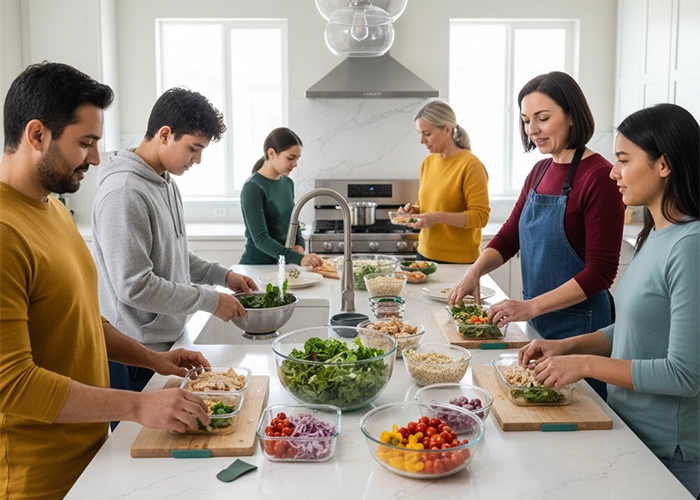
Busy weeks have a way of turning food into one more problem to solve, which is exactly why meal planning matters. A small plan keeps dinner from becoming a nightly debate, and it usually saves money, too. Better evenings tend to follow when a simple routine is in place.
Meal Planning Starts With a Simple Game Plan
A workable meal planning routine starts with a quick scan of your actual week, not your ideal one. Late meetings, kids’ practices, and travel days deserve lighter meals. The “easy nights” should be chosen first so the plan feels realistic.
A short list helps more than a long one. Five dinners, two leftover nights, and a flexible option for the weekend often covers everything without making the week feel overmanaged. Less mental clutter shows up right away when dinner has a default path.
Choose a Planning Day That Feels Natural

A consistent day keeps the process from drifting. Sunday works for many households, though a midweek reset can fit better when weekends are packed. A calendar reminder takes the decision out of it.
Ten minutes is usually enough. A rough outline for dinners, a couple of breakfast defaults, and a lunch plan built around leftovers can carry most of the week. After a few weeks, the habit starts to feel like maintenance, not effort.
Keep a Small Rotation of Reliable Meals
Decision fatigue is real, especially at 6 p.m. A small rotation keeps you from reinventing dinner every night. Three to five reliable meals can cover a lot of ground.
Seasonal swaps keep the rotation from getting boring. Tacos can become taco bowls, pasta can turn into a baked casserole, and sheet-pan meals can change flavors just by switching the sauce. Familiar structure makes the week feel easier, even when the food stays interesting.
Prep in Layers, Not Marathons
All-day cooking rarely fits a busy schedule. A lighter approach tends to last longer because it feels doable. A bit of meal preparation can be as simple as washing produce, cooking one grain, and prepping one protein.
Ingredients, not full meals, often provide the biggest payoff. Cooked rice, roasted vegetables, and shredded chicken can be mixed into bowls, wraps, salads, and soups. Even breakfast gets easier when fruit is washed and ready, and when add-ins are in clear containers.
A Quick “Build-Your-Own” Base
A simple base keeps dinners flexible. These basics usually work well without taking over your weekend:
- Cooked grains like rice, quinoa, or pasta
- One roasted vegetable tray
- A ready protein like beans, chicken, tofu, or ground turkey
- Two sauces or dressings you actually like
Shop With a Plan That Matches Your Kitchen

A good list should match how you cook and how your kitchen is stocked. Pantry staples reduce emergency store runs, and they also make weeknight meals feel less fragile. A plan that depends on six fresh items every night usually falls apart by Thursday.
Store layout helps, too. A list grouped by produce, dairy, proteins, and pantry cuts down wandering. Faster shopping keeps the whole week moving, especially when the store trip happens on a tight schedule.
A “Busy Week” Pantry That Pulls Its Weight
A few dependable items help dinner happen even when the day goes sideways:
- Canned beans, tomatoes, and tuna
- Rice, pasta, tortillas, and oats
- Frozen vegetables and fruit
- Broth, jarred sauce, and basic spices
- Nuts, seeds, and nut butter
Make Leftovers Feel Like a Choice
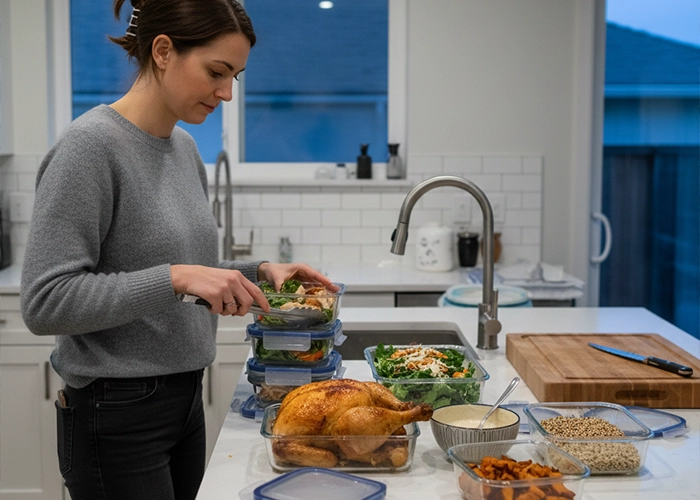
Leftovers work best when they are planned, not accidental. A double batch of chili or a larger sheet-pan dinner can create lunches without extra work. That kind of strategy makes meal planning pay you back quickly.
A small refresh keeps leftovers from feeling repetitive. A salad kit, a different sauce, or a new side can change the whole plate. Even the same roasted chicken feels new when it becomes tacos one night and a grain bowl the next.
Use Shortcuts Without Guilt
Convenience foods can be smart tools, not “cheating.” Pre-cut vegetables, rotisserie chicken, frozen grains, and bagged greens can keep dinner within reach on the hardest days. The best shortcut is the one you will actually use.
A realistic week usually includes one or two very simple meals. Breakfast for dinner, a soup-and-sandwich night, or a hearty salad can give you breathing room. That breathing room is often what keeps your routine going.
Keep Health Goals Simple and Personal

Healthy eating does not need to be a strict project. A steady plan can support diet planning without turning meals into math. Better balance often shows up when half the plate is produce, when protein is included, and when snacks are chosen with intention.
A small amount of structure helps if your goal involves specific needs. More fiber, less added sugar, and consistent meal timing can be supported with routine shopping and repeatable meals. Thoughtful diet preparation tends to feel easier when choices are made before hunger hits.
Food Safety Habits That Protect Your Week
A good plan falls apart fast when food goes bad. Shallow containers cool food faster, and labels prevent mystery meals from getting ignored. A marker and masking tape can save more leftovers than most people expect.
Timing matters, especially with cooked foods. Leftovers should be cooled and stored promptly, and the fridge should stay cold enough to keep food safe. When anything smells off or looks questionable, tossing it beats taking a chance.
A Sample Week That Stays Flexible
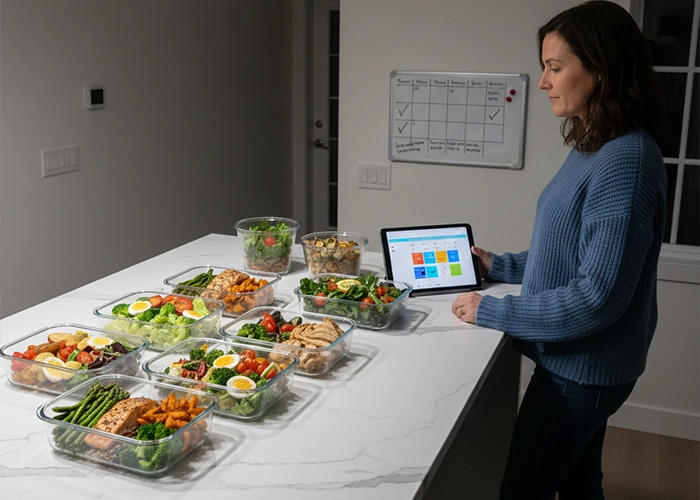
A flexible template helps on weeks when creativity is low. The goal is a plan that can bend without breaking. With meal planning, a simple outline can keep you fed even when the schedule shifts.
A Simple Dinner Map
- Monday: Sheet-pan chicken and vegetables, rice on the side
- Tuesday: Taco bowls using leftover chicken, beans, and chopped toppings
- Wednesday: Pasta with jarred sauce, side salad, and fruit
- Thursday: “Clean-out” stir-fry using remaining vegetables and a quick sauce
- Friday: Rotisserie chicken, bagged salad, and a freezer side
- Weekend: One fun meal, one leftover night, and one easy option
Lunch can be handled with the same approach. Leftover dinner becomes lunch by default, and a simple backup like yogurt, sandwiches, or salads covers the gaps. A few planned snacks help, too, especially on days when you know you will be out of the house.
Dinner on Easier Mode
A busy week still gets easier when a small routine supports it. Meal planning does not need to be perfect to work, and it does not need to take long to maintain. A plan that fits your real life will keep showing up for you.
Related Articles:
- Pet-Proofing Your Home the Right Way
- How to Organize an HOA Holiday Food Drive
- Bond With Food: How To Start Community Cooking Sessions In Your HOA