
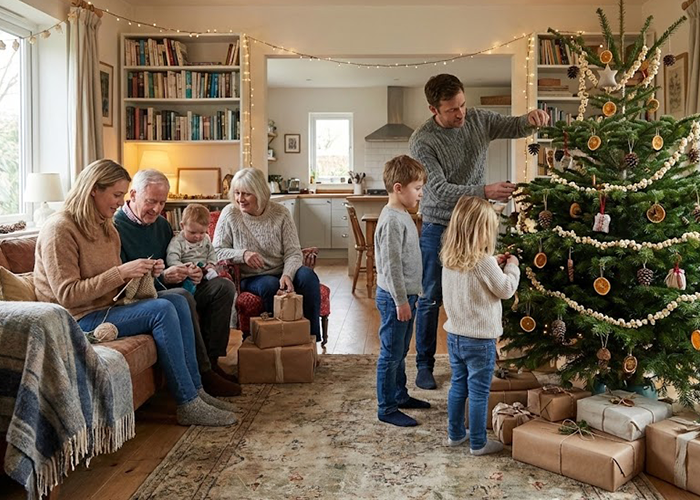
Snow, lights, and family dinners make the season feel magical, but all that celebration can be tough on the planet. A sustainable Christmas preserves warmth and tradition while reducing waste, energy use, and clutter. With a few thoughtful choices, your household and neighborhood can enjoy the holidays in a way that feels kinder to both people and the environment.
Why a Sustainable Christmas Matters
The holiday season often results in full trash bins, stacks of packaging, and decorations that are discarded by January. All of that requires resources to produce, ship, and ultimately dispose of. A sustainable Christmas gently shifts that pattern so joy lasts longer than the wrapping paper.
Many families already feel overwhelmed by stuff. When you add noisy toys, unused gadgets, and piles of plastic, homes can feel crowded rather than cozy. A greener mindset focuses on meaning, not volume, which usually makes the holidays feel calmer for parents and kids.
Communities and HOAs also feel the impact. Shared dumpsters overflow faster, streets are more congested with delivery trucks, and common areas sometimes become littered with broken décor. Small changes in each home ripple outward, making sustainable holidays a community benefit, not just a personal choice.
Rethinking Gifts for Sustainable Holidays
Gift-giving sits at the center of many traditions, yet it often generates the most waste. Shorter lists, fewer impulse buys, and presents chosen with care all support a sustainable Christmas without taking away the fun of unwrapping. When every gift feels helpful or deeply thoughtful, no one misses the extra clutter.
Durability matters more than ever. Sturdy toys that can be passed down, tools that last for years, or cozy blankets that become family staples all outperform trendy gadgets that break quickly. Shopping local, where you can also cut down on shipping and supports small businesses in your town.
Experiences can be some of the most memorable gifts. Concert tickets, a family membership to a nearby museum, or a class you take together keep the focus on time rather than things. Even simple “coupons” for a movie night, a backyard campout, or help with a project can feel surprisingly special.
A few easy ideas for greener gifting include:
- Experience gifts, like passes to local attractions or classes
- High-quality, practical items people already need and will use often
- Secondhand or vintage treasures, especially books, games, and décor
Choosing the Right Tree for an Eco-Friendly Christmas
The tree often feels like the star of the show, so its footprint deserves a little attention. Real trees from nearby farms typically have a lower environmental impact than plastic trees that travel long distances and sit in landfills for decades. When you choose a local grower, you also support farmers who keep planting new trees as they harvest older ones.
Artificial trees still have a place in some homes. Households that already own one and plan to keep it for many years can get good use out of it. The key is to treat it as a long-term investment, not something that gets replaced every few seasons.
End-of-season habits matter as much as the tree you pick. Many cities and counties offer curbside collection or drop-off sites for real trees, which are chipped into mulch or composted. Checking local programs ahead of time helps ensure your eco-friendly Christmas doesn’t end with a tree in the trash.
Decor That Fits a Green Christmas
Holiday décor sets the mood the moment you walk through the door. Reused ornaments, handmade pieces, and natural touches can look just as festive as the newest trend. In many homes, the decorations that mean the most are the ones with a story behind them.
Single-use plastics and glittery items usually cause more problems than they are worth. They shed tiny pieces that are hard to clean up and even harder to recycle. Shifting toward wood, fabric, paper, and natural materials keeps your décor pretty and more planet-friendly.
Some simple ideas for greener decorating include:
- Using pinecones, branches, dried oranges, and cinnamon sticks for centerpieces
- Refreshing old ornaments with a bit of paint or ribbon instead of buying new ones
- Choosing table linens, runners, and cloth napkins that can be washed and reused every year
Lighting Choices for Eco-Friendly Holidays
Holiday lights create a soft glow that many people look forward to all year. LED string lights and candles made from cleaner waxes can give you that cozy feeling while using far less energy. They also last longer, which means fewer strands end up in the landfill.
Timers are a quiet hero of a sustainable Christmas. When lights shut off automatically after bedtime, you save on your electric bill without thinking about it. Shorter nightly run times still let the neighborhood enjoy the display while keeping power use in check.
Outdoor inflatables and large displays deserve a quick review as well. A smaller, well-planned lighting setup often looks more polished than a yard crammed with decorations. Focusing on one or two features, like a front porch or a single tree, makes it easier to balance holiday cheer with green holiday goals.
Greener Holiday Meals and Leftovers
Holiday meals bring everyone to the same table, which makes them a great place to start sustainable habits. Thoughtful planning helps you avoid buying more than your fridge can handle. A simple menu with family favorites, rather than a dozen extra dishes, keeps shopping lists manageable.
Local and seasonal ingredients tend to have a lighter footprint. Produce from nearby farms, bakery bread, and meat from regional producers usually travel shorter distances. Including a few plant-forward dishes, such as hearty vegetable sides or a lentil shepherd’s pie, reduces the impact without taking away the turkey or ham if your family enjoys it.
Leftovers are where many households struggle. Labeling containers, keeping them at the front of the fridge, and planning a dedicated “leftover night” help ensure food is eaten rather than tossed. Anything that cannot be saved may be composted, depending on local rules.
Wrapping Gifts the Planet-Friendly Way
Wrapping paper, bows, and tags look attractive, yet they are often discarded within minutes. Reusable bags, fabric wraps, and simple kraft paper turn gift wrapping into another chance to go greener. Many families find that once they build a small collection of bags and boxes, wrapping each year becomes faster as well.
Children usually love joining in. Plain paper decorated with stamps, crayons, or small drawings feels more personal than printed designs. Twine, cloth ribbon, and sprigs of greenery can replace plastic bows and still look special under the tree.
Old maps, newspapers, and paper shopping bags can all be turned into unique wrapping with a little creativity. Keeping a small box for saved tissue paper, gift boxes, and ribbons means you always have supplies on hand. Over time, this habit reduces both spending and waste while supporting a sustainable Christmas.
Building Green Holiday Traditions
Traditions hold families and communities together. When those traditions include low-waste, low-cost activities, everyone wins. Evening walks to see lights, cookie exchanges, and story nights at home feel just as festive as anything you can buy.
Neighborhoods and HOAs can lean into these ideas. A community hot chocolate night in the clubhouse, a car-free “stroll and see the lights” event, or a toy and book swap all help families celebrate without filling carts. These gatherings also give neighbors a chance to meet new people and strengthen bonds.
Nature-based traditions add another layer. A family hike, backyard bird watching, or planting a tree in honor of the season teaches kids that the holidays connect to the wider world. Green holidays become part of your community identity, not just a personal lifestyle choice.
How HOAs and Communities Can Support a Sustainable Christmas
Residents often look to their boards and community leaders for cues. Simple reminders about recycling days, bulk pickup rules, and local tree recycling programs can cut confusion and keep common areas tidy. Short, friendly messages tend to work better than long policy letters during a busy month.
Shared spaces provide chances to model a sustainable Christmas. LED lighting in entrances, real or rented greenery instead of plastic garlands, and reusable décor stored from year to year all send a quiet message. When the community invests in durable items, homeowners feel encouraged to do the same at home.
Events can also reflect eco-friendly holiday values. Potlucks that encourage guests to bring reusable containers, donation drives focused on needed items, and craft nights using recycled materials demonstrate that sustainability and fun go hand in hand. Over time, these habits become part of your neighborhood’s culture.
Small Steps That Add up at Home
Significant lifestyle changes can feel intimidating in the middle of an already busy season. Focusing on a few small shifts keeps things realistic. One family might start with greener wrapping, while another might pick efficient lights or a shorter gift list.
Each household can choose a personal “top three” for the year, such as:
- Reusing or recycling most gift wrap and packaging
- Serving at least one plant-based main or side dish at the big meal
- Swapping one new décor purchase for a DIY or secondhand find
None of these choices requires a perfect, zero-waste lifestyle. Instead, they slowly bend your habits toward a truly sustainable Christmas that still feels warm and familiar.
Keeping Christmas Joyful and Green
Holiday memories tend to come from laughter at the table, quiet moments by the tree, and time spent with people you love. When your home leans into a green Christmas, you protect the places where those memories happen. A few changes each year are enough to keep the season joyful, comfortable, and kinder to the planet you share with your neighbors.
Related Articles