
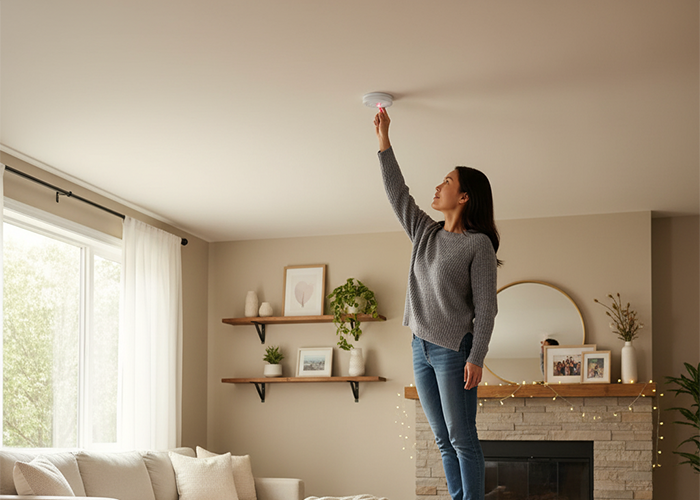
Home safety works best when it fits your routine. With a short checklist and a few minutes each month, you can spot small issues early and stay aligned with HOA rules. A steady plan keeps the people you love and the place you live protected
Home Safety, Made Routine: a Simple Plan That Sticks
A routine beats a one-time push. Pick a single day each month for quick checkups, then add a deeper review when the season changes.
Write the plan in a shared note or binder so everyone can see it. If your HOA has rules that affect repairs or equipment, fold those items into the list so nothing is missed.
Practice matters, too. Walk two exit routes from each room, choose an outdoor meeting spot, and rehearse the steps until they feel natural.
When Seconds Count: Clear Lines and Contacts

Emergencies move fast. Post key numbers by the main phone and save them in your contacts: fire, police, poison control, your HOA office, and a trusted neighbor.
Create a simple contact tree. If you are away, someone should know how to reach you and where to find spare keys, pet notes, and medicine lists.
Review this list twice a year. Small updates keep the whole plan useful when minutes matter.
Secure Entry Points That Work Every Day
Start at the front door and move in a loop around the home. Check deadbolts, hinges, and strike plates for looseness, then tighten hardware and replace cracked weatherstripping.
Give windows the same care. Latches should close smoothly, locks should set firmly, and sashes should slide without sticking. If a window is stubborn, clean the track and add silicone spray so it opens easily in a rush.
Before you finish, confirm which bedroom windows can serve as exits. Keep a spare key in a lockbox that a trusted person can access in a pinch.
Fire Readiness for HOA Homes
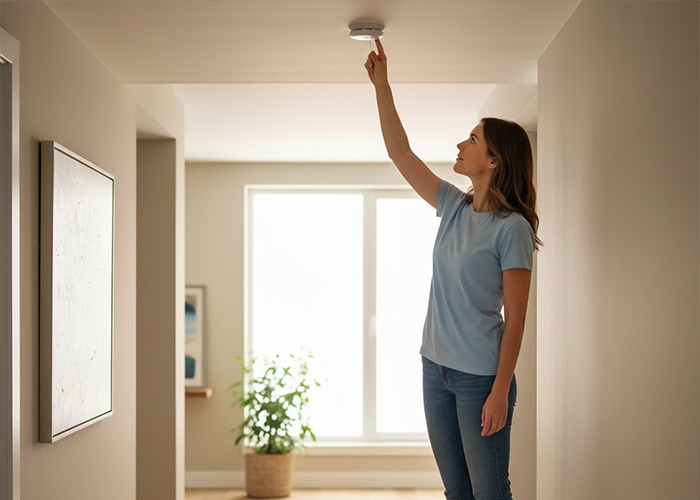
Smoke alarms save lives when they work. Test them monthly, replace batteries twice a year, and swap any unit older than ten years.
Place alarms in each bedroom, outside sleeping areas, and on every level. If you add or remodel a room, update alarm placement so coverage stays complete.
Keep a multipurpose fire extinguisher on each floor. Store one in the kitchen and another near the garage, then review the PASS method so everyone knows how to use it.
Electricity Without Guesswork
Walk room to room with a careful eye. Look for warm faceplates, scorch marks, wobbly plugs, or frayed cords, and unplug anything that hums or smells odd.
Press test and reset on GFCI outlets in kitchens, baths, garages, and outdoor areas. If an outlet trips often, call a licensed electrician to check the circuit.
Label breakers in plain language at the panel. Large appliances need the right outlet and clear space, and nothing flammable should sit near power strips.
Seasonal Checks for Home Utilities
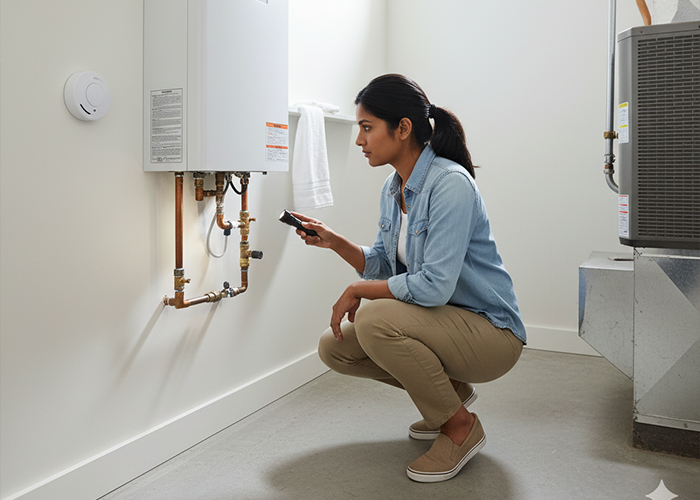
Small leaks become big repairs. Look under sinks, around the water heater, and at appliance hookups for damp spots, corrosion, or a musty smell.
If you use gas, install carbon monoxide alarms on each level and outside sleeping areas. Test them monthly and keep flues and vents clear so exhaust moves outdoors.
Schedule annual service for furnaces and water heaters. A short tune-up boosts efficiency, extends equipment life, and supports home safety for the whole building.
Kitchen and Laundry: Small Habits Build Bigger Safety
Cooking fires often start with distraction. Stay with the stove when you sauté or simmer, keep a lid nearby to smother small pan fires, and store mitts and towels away from burners.
Clean the range hood filter so that grease does not build up. Wipe the microwave interior and ensure the turntable sits level. Then, unplug and inspect any unit that sparks or smells unusual.
Dryers need airflow to stay safe. Clear the lint screen after each load and clean the vent line during seasonal checks, as longer dry times often indicate a clogged duct.
Stairs and Floors That Keep You Steady
Stairs should feel solid underfoot. Tighten rails, secure loose treads, and add non-slip strips where shoes track in rain or snow.
If lighting is dim, upgrade bulbs so each step is easy to see. For common stairwells, report loose handrails or uneven landings to the HOA with a quick photo and location.
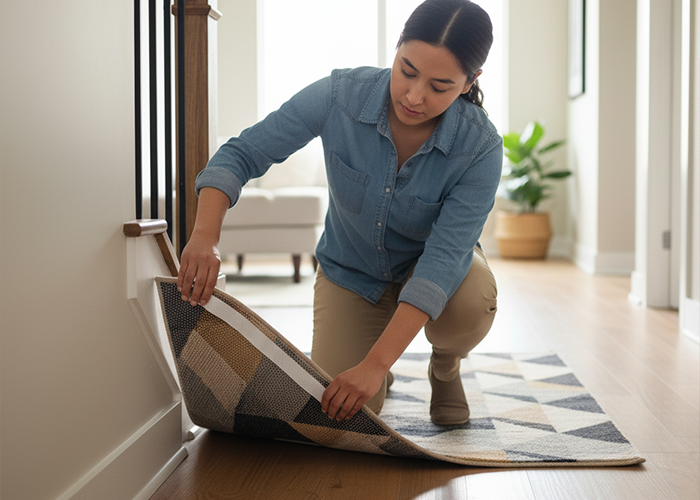
Inside, secure throw rugs with grippy pads and coil extra cords out of footpaths. Clear floors lower the risk of falls for kids, guests, and older family members.
After Dark: Safer Lighting and Walkways
Good exterior lighting helps people see and discourages unwanted activity. Confirm fixtures work, replace bulbs, and set timers or sensors so paths stay lit without fuss.
Walk the property after sunset. Look for raised pavers, pooled water, and slick spots, then fix small cracks before they spread or become trip hazards.
Store outdoor tools safely. A tidy yard improves safety at home and supports curb appeal for the whole community.
Storms and Blackouts: Prep That Fits Your HOA
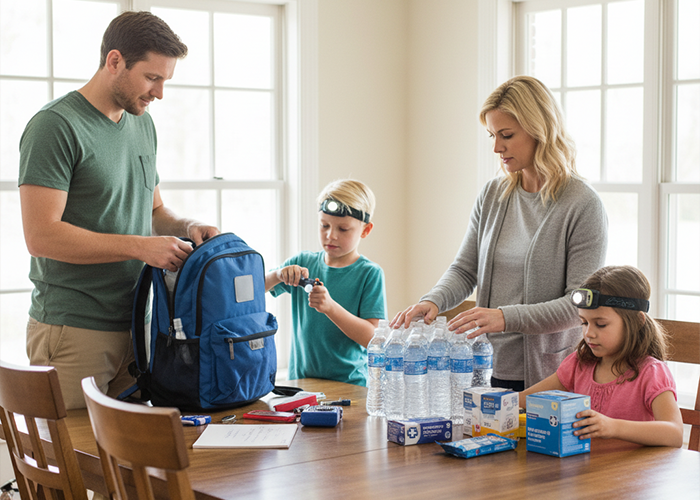
Weather shifts quickly. Keep a simple kit with water, shelf-stable food, flashlights, batteries, first-aid supplies, and essential medications.
Know how to open the garage manually if power fails. Keep the fridge closed and use a thermometer to confirm safe temperatures, then charge power banks when a storm is forecast.
If generators are allowed, review HOA rules before you buy. Operate them outside, away from windows and vents, and store fuel only in approved containers.
Backyard Fun With Fewer Risks
Backyard time should stay safe and relaxed. Self-latching gates and proper covers reduce risk around pools and spas.
Pick play areas with soft surfaces and steady shade. Check swings and slides for cracks or loose bolts, and notify the HOA when shared equipment looks worn.
Pets need clear boundaries, too. Check fences for gaps, secure latches, and keep leashes by exits so walks start smoothly and stay friendly with neighbors.
The One-Page Plan That Actually Works

A short plan is easier to follow than a long one you never finish. Spread tasks across monthly, seasonal, and annual rhythms so nothing feels heavy.
- Monthly: Test alarms, inspect doors and windows, clear dryer lint, scan cords and outlets.
- Seasonal: Service HVAC, clean gutters and downspouts, review emergency plans, deep-clean the range hood and dryer vent line.
- Annual: Replace water hoses, review insurance coverage, refresh fire extinguishers, and inspect weatherstripping.
Keep quick notes on what you did and when you did it. That log helps with warranty claims and adds value if you decide to sell later.
Work Smoothly With Your HOA and the Pros
Your HOA sets standards that shape home safety and upkeep. Read the rules for exterior lights, fences, generators, and window changes before you start a project.
Bring concerns with a short description and a photo. Clear details speed approvals and reduce back-and-forth, especially for items that affect common areas.
Some jobs need licensed help. Electrical issues, gas lines, roof repairs, and structural fixes call for qualified pros who can spot hidden problems and complete work that meets code.
Storage That Stays Safe and Simple
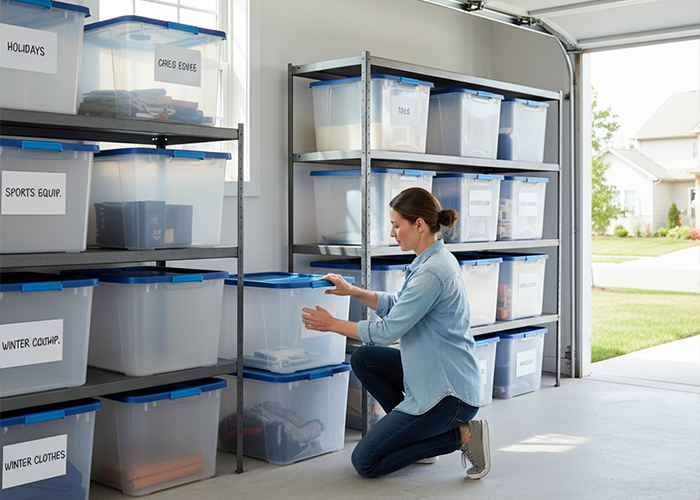
Clutter sneaks up. Keep walkways open, place heavier bins on lower shelves, and avoid stacking boxes so tall that they wobble.
Store paints, solvents, and fuels in original containers with tight lids. Place them in a cool, ventilated area away from flames and out of reach of children.
Label seasonal bins with large, plain words. A clear storage system reduces trips and helps you find what you need without moving half the garage.
Smart Devices That Help, Not Hassle
Simple tech can support home safety. Smart alarms and leak sensors send alerts to your phone, which helps when you travel or work late.
Cameras and doorbells add visibility at entries. Place them where they capture faces rather than streets, then review your HOA’s camera rules before you mount anything outside.
Keep devices updated. Fresh firmware and strong passwords reduce risk and keep alerts reliable instead of noisy or false.
Indoor Air and Everyday Health
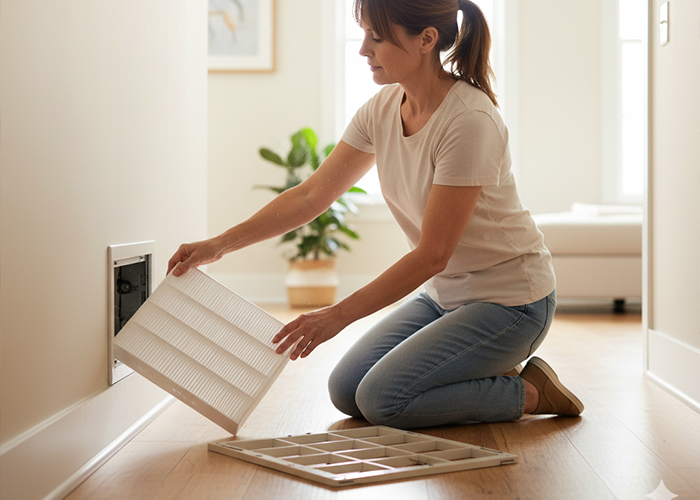
Clean air supports focus and sleep. Vacuum with a HEPA filter, change HVAC filters on schedule, and open windows when the weather allows.
Moisture can signal trouble. Use a small hygrometer to check humidity and run a dehumidifier if levels creep up in basements or baths.
Choose cleaners with clear labels you can pronounce. Store them high and locked if you have kids or curious pets.
Garages, Balconies, and Shared Walls
Garages collect flammable things. Keep gas cans and propane upright, cap them tight, and park bikes and tools so cars can move without bumping into sharp edges.
Balconies need light loads. Avoid heavy planters that stress rails, and keep grills where your HOA allows them, never against siding or under eaves.
Shared walls pass sound and smoke. Seal small gaps with fire-rated caulk, and never prop open fire doors in hallways or stairwells.
Kid-Ready and Guest-Ready Basics
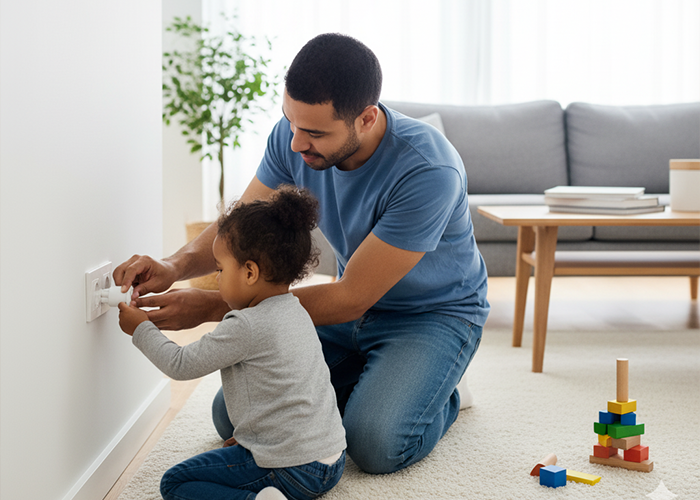
Curiosity is normal. Use outlet covers in bedrooms and play zones, add cabinet latches for chemicals, and set water heaters to a safe temperature.
Post a simple house map for sitters or visiting relatives. Mark exits, extinguishers, and the meeting spot outside, then list your cell numbers in big print.
Teach older kids how to read extinguisher gauges and when to call for help. Short lessons build confidence and make home safety feel normal.
Safety at Home, Day After Day
Home safety is not a single project. Keep the plan light, share the load, and call in pros for the hard parts. With steady habits in place, your home stays ready and your family stays protected.
Related Articles:
- Sleep Wellness: How Your Living Space Affects Rest
- HOA Pet Safety in Fall: Preparing Pets for Shorter Days
- Digital Safety For Kids At Home: Protecting Children Online