
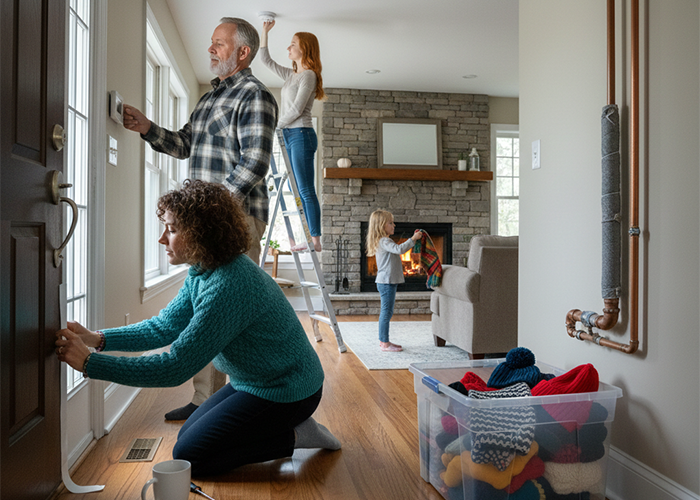
Winter has a way of sneaking up on you. A little Winter Home Prep now can save you from leaks, sky-high bills, and last-minute stress when the first cold snap hits. With a simple plan, preparing your home for winter feels less like a chore and more like taking care of your own comfort.
Winter Home Prep Starts With Your Heating System
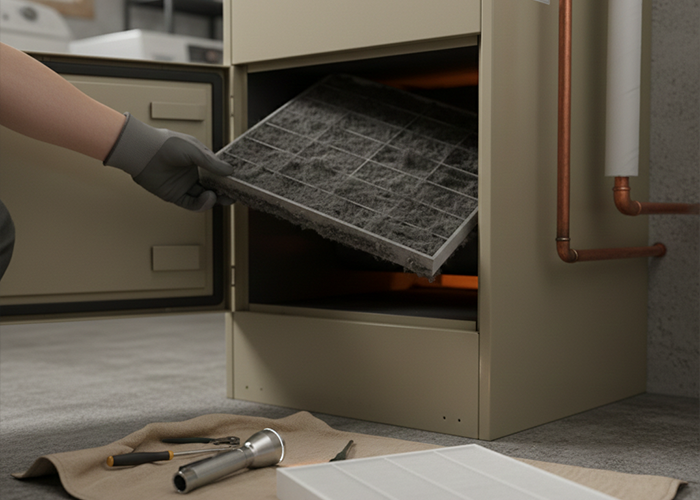
A good Winter Home Prep routine begins where your warmth comes from. Before temperatures drop, turn on the heat for a test run and listen for odd noises or smells. If anything feels off, schedule a visit with a licensed HVAC technician so you are not waiting in line during the first cold spell.
Change or clean your furnace filter, even if it looks “good enough.” A fresh filter lets your system breathe and can help lower energy use. While you are at it, clear any boxes, furniture, or curtains away from vents so warm air can move through the house without obstacles.
If you have a programmable or smart thermostat, check the schedule. Set lower temperatures when you sleep or are at work, then bring the heat back up before you wake or come home. Small changes like this can make your Winter Home Prep work show up as savings on your monthly bill.
Protect Pipes and Plumbing From Cold Damage
Frozen pipes can turn into a soaked floor in a single night. Walk through the house and look for plumbing in colder spots, such as basements, crawl spaces, garages, and exterior walls. Add foam pipe sleeves or wrap exposed lines with insulation to help keep them from freezing.
Outside, disconnect garden hoses and drain outdoor faucets. If your home has dedicated shutoff valves for exterior spigots, close them and let the remaining water drain out. This step helps prevent cracks in pipes that run through your walls.
Inside, check around sinks and toilets for signs of moisture or slow leaks. Fixing a drip now costs far less than cleaning up water damage in the middle of winter. If you plan to be away for a few days, keep the heat on at a low setting and open cabinet doors under sinks so warm air can reach the pipes.
Seal Drafts and Strengthen Insulation
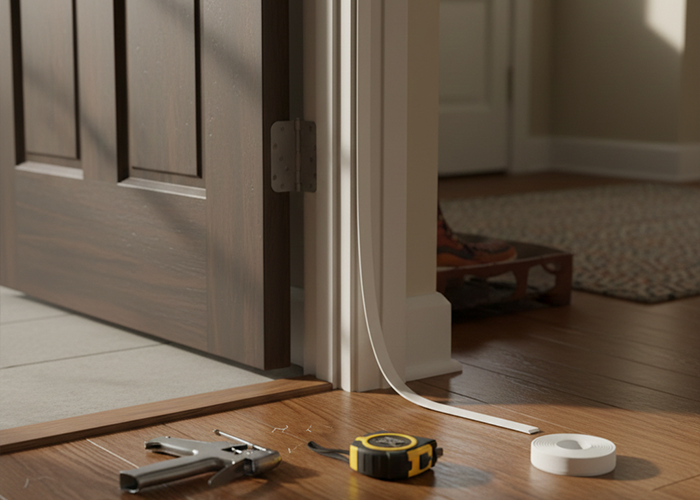
Drafty rooms make the whole house feel colder than it needs to be. On a breezy day, run your hand around window frames, door frames, and electrical outlets on exterior walls. If you feel cool air, note those spots as part of your winter house preparation.
There are simple fixes for many of these gaps. Use weatherstripping around doors that do not close tightly. Apply caulk where trim meets the wall or window frame. Outlet and switch gaskets can help in rooms where you feel cold spots around the plates.
Take a quick look at your attic if it is safe to do so. You should not see the tops of joists everywhere; that is often a sign that your insulation is thin. Adding insulation is a bigger project, but even small upgrades in key areas can make Winter Home Prep much more effective.
Check Your Roof, Gutters, and Exterior
Your roof and gutters work hard during winter storms. Before leaves and snow pile up, step back from your home and scan the roof for missing shingles, sagging areas, or obvious damage. If you spot anything concerning, call a roofer before snow hides the problems.
Clean out gutters so water can flow freely. Leaves, twigs, and grit from shingles can clog downspouts and send water over the edge. That extra moisture can freeze on walkways or seep toward your foundation, which leads to cracks and icy patches you do not want.
While you are outside, walk around the foundation and exterior walls. Look for gaps where pipes, cables, or vents enter the house. Seal those openings to keep out cold air and small pests that like to come inside once the weather turns.
Make Windows and Doors Winter-Ready
Windows and doors are common weak spots in winter house preparation. If you can see daylight around a door, you are also losing warm air. Replace worn door sweeps and adjust hinges or latches so doors close snugly.
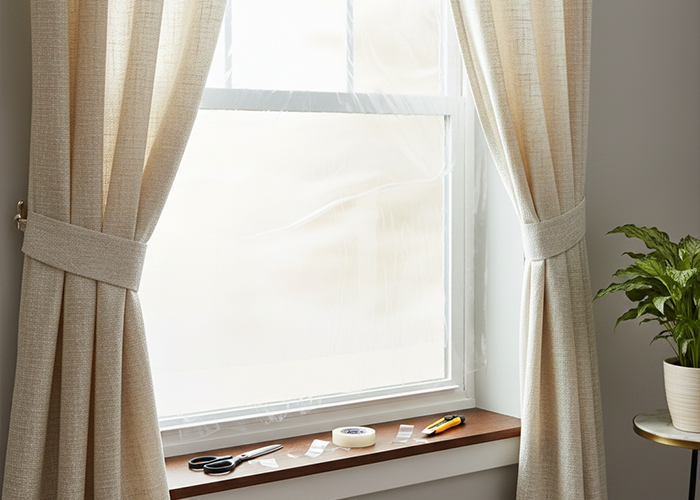
For older windows, consider adding temporary plastic film kits on the inside. They create a small air pocket that helps block drafts without a major remodel. Heavy curtains or thermal drapes can also help, especially in rooms that face the wind.
Even newer windows benefit from a quick tune-up. Lock them fully so the seals engage, and check that latches work smoothly. A few minutes spent here can make a noticeable difference once the temperature drops.
Create a Safe and Cozy Interior
Once the structure is tight, focus on comfort and safety. If you use a fireplace, schedule a chimney inspection and cleaning before the first fire of the season. Creosote buildup and hidden blockages are easier to deal with now than during a stormy weekend.
Space heaters, candles, and holiday lights all see more use in winter. Keep space heaters at least three feet away from anything that can burn and plug them directly into a wall outlet. Turn them off when you leave the room or go to sleep.
It also helps to do a short safety walk through the home. A quick checklist might include:
- Testing smoke and carbon monoxide alarms and replacing batteries
- Checking that fire extinguishers are charged and easy to reach
- Making sure exit paths are clear of storage boxes, shoes, and clutter
These small tasks keep your Winter Home Prep focused on both comfort and peace of mind.
Plan for Winter Emergencies and Power Outages
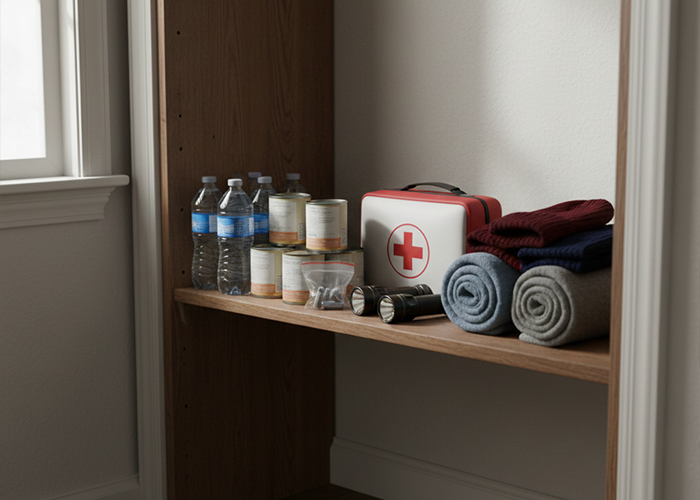
Even in milder climates, winter storms can knock out power. Having a simple emergency kit keeps a short outage from becoming a crisis. Store it where every family member can find it, not buried in the back of a closet.
Think about what you would need for at least 24 to 48 hours. Your kit can include:
- Bottled water and nonperishable snacks
- Flashlights with extra batteries
- A basic first-aid kit and needed medications
- Warm blankets, hats, and gloves
If you rely on electric medical devices, talk with your provider about backup plans. Some households also choose to keep a small battery bank charged for phones, which can be helpful for weather updates and contact with friends or family.
Tidy Outdoor Spaces and Yard Before the Freeze
Preparing your home for winter should include the outside, not just the interior. Walk your yard and look for branches that hang over the roof, driveway, or power lines. Have a professional trim any risky limbs so they do not come down on a car or the house during a heavy snow or ice storm.
Put away or cover outdoor furniture and grills once you are done using them for the season. Clean and store garden tools, hoses, and small motors like lawnmowers according to the owner’s instructions. This helps them last longer and makes spring setup much easier.
Pay attention to walkways, steps, and handrails. Repair loose boards or wobbly rails now, while conditions are dry. Later, you can add sand or ice melt to your shopping list so you are ready when the first slick morning arrives.
Build a Simple Winter Home Prep Timeline

The easiest way to keep up with Winter Home Prep is to break it into chunks. Early in the fall, focus on heating systems, roof checks, and major sealing work. Those items sometimes need professional help, and schedules fill up as cold weather approaches.
Closer to the first frost, turn to outdoor faucets, hoses, and final yard cleanup. This is also a good time to finish indoor tasks like hanging heavier curtains and checking safety devices. When you spread tasks out, you avoid the feeling of doing everything in one long weekend.
If you like lists, keep a reusable checklist taped inside a cabinet door or saved on your phone. Update it as you learn which areas of your home need extra attention each year. Over time, your Winter Home Prep routine will feel more like a habit than a project.
Getting Ready for Winter
You do not have to tackle every project in one go to see a real benefit. Even a few focused Winter Home Prep steps can make your home warmer, safer, and more comfortable when the cold sets in. Start with the basics, add a few items each year, and your future winter self will be thankful you planned ahead.
Related Articles: