
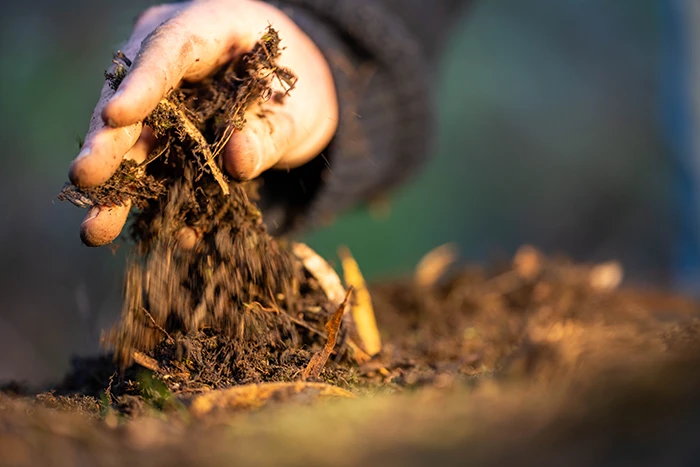
A shared compost corner can transform kitchen scraps and yard debris into rich, crumbly soil that nourishes your community garden beds. If your HOA has a patch of unused space, an HOA compost system is one of the most rewarding projects you can launch this year.
Why Composting Works So Well for HOAs
Composting reduces trash volume, which can lower waste fees over time. Finished compost improves soil structure, helps plants handle heat and drought, and reduces the need for synthetic fertilizers. Most importantly, a shared system gives residents a reason to connect: quick drop-offs, weekend turning sessions, and seasonal giveaways of finished compost.
Choosing a HOA Compost System
Select a system that aligns with your HOA’s space, volume, and volunteer capacity. Start simple and scalable, then expand once participation is steady.
- Tumbler Station: A cluster of locking tumblers is tidy and fast. Tumblers keep pests out, look neat near amenities, and are easy for volunteers to spin. Ideal for small to mid-size HOAs.
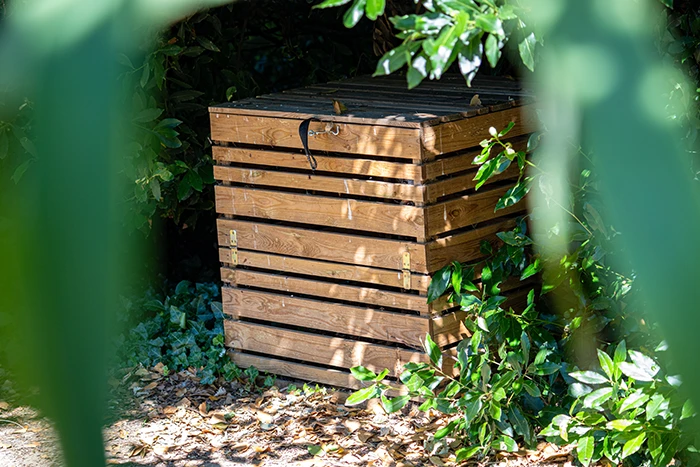
- Three-Bin “Bay” System: Wooden or recycled-plastic bays handle larger volumes. You move material from “fresh” to “working” to “finished,” which keeps things organized and efficient.
- Static Pile With Aeration Tubes: Low cost and simple. Works best with consistent oversight, good carbon sources, and a plan for pest-proofing.
- Partner-Assisted Hybrid: If your city or a hauler offers organics collection, use on-site bins for yard waste and partner collection for food scraps. This can ease the start-up while residents learn the basics.
Pick the Right Location
Look for a flat, well-drained area away from property lines and front entrances. Access to a hose is a plus. Some afternoon shade helps maintain moisture in summer. Ensure there is sufficient room to maneuver wheelbarrows, and plan clear pathways so residents can drop off items quickly without having to cut through lawns. If your HOA has architectural or landscape review steps, submit a simple site plan with photos, measurements, and a short maintenance plan.
What Goes In, What Stays Out
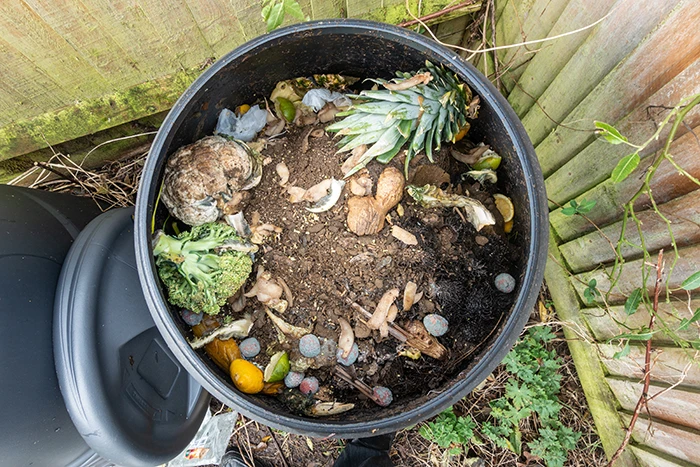
Clear rules prevent contamination and maintain the health of your HOA compost system. Use this quick guide on your signage and remind residents that every greens drop-off needs a browns cover.
- Greens (nitrogen-rich): fruit and vegetable scraps, coffee grounds and filters, tea bags without plastic, fresh grass clippings.
- Browns (carbon-rich): dry leaves, shredded paper and cardboard, untreated wood chips, straw, dried garden trimmings.
- Keep out: meat, dairy, oily foods, pet waste, compostable plastics that require industrial facilities, diseased plants, and thorny or invasive species. Post a friendly, graphic-rich sign so no one has to guess.
Starter Kit And Budget Ideas
A small, well-chosen starter kit will get your HOA running in a single weekend without overspending. Begin with essentials, then scale up once participation and volume increase.
- Two to four tumblers or a three-bin system
- Aeration tools, like a compost crank or sturdy pitchfork
- Covered storage for browns, such as a lidded trash can filled with dry leaves
- Countertop scrap pails for residents, or a list of recommended models
- Rodent-proofing materials, such as hardware cloth for bays
- A small scale to track weights and impact
- Weatherproof signage with the do’s and don’ts
Cost varies with size and materials. Start modestly with two tumblers, a lidded browns bin, a fork, and signs, then expand once participation grows.
The Simple Method That Keeps Piles Healthy
Think in ratios you can see. Aim for about two parts browns to one part greens by volume. Each time someone drops off a small pail of food scraps, cover it with two equal pails of shredded leaves or cardboard.
You can chop or tear pieces to speed things up. Keep the pile as damp as a wrung-out sponge. Turn weekly if using a bay or spin tumblers three to four times per week. Let the finished compost cure for several weeks before you spread it around plants.
Roles That Spread the Workload
Longevity comes from shared responsibility. Assign small, clear roles so tasks stay concise and more neighbors feel a sense of ownership.
- Compost Captains: 2 to 4 residents who rotate oversight each month
- Turners: neighbors who agree to turn or spin on assigned days
- Brown Keepers: the team that collects and shreds leaves and cardboard
- Education Lead: handles signage, how-to posts, and workshop days
- Data Tracker: logs weights, solves contamination issues, and shares wins
You can use a simple online sign-up so roles change often. More residents will likely feel a sense of ownership if you do so.
Keep it Clean and Pest-Free
Odors come from too many greens or not enough air. To avoid this, you can cover every food scrap drop-off with browns and aerate regularly.
Also, do remember that fruit flies dislike darkness and dryness at the surface, so keep a layer of dry browns on top. For rodents, choose locking tumblers or line bay floors and sides with hardware cloth. Keep the area swept, lids closed, and any fallen scraps tidied up right away.
Water and Weather Tips
In hot months, check the moisture level twice a week and give the pile a quick sprinkle if it appears dusty. During rainy periods, add extra browns to prevent the material from matting and going anaerobic. Cold snaps slow the process, which is normal. Continue layering and turning. The system will rebound with warmth.
Education and Engagement Ideas
Keep the project fun and visible. These quick touches build habits and make the compost corner feel like a proper community spot.
- Scrap To Soil Demo: ten-minute hands-on lesson for kids and families
- Leaf Drive Day: invite neighbors to bag and bring leaves to stock browns
- Compost Exchange: residents earn a bucket of finished compost for every three successful drop-offs
- Garden Tie-In: use your first batch in the entry planters and put up a small “Compost At Work” sign
- Quarterly Tours: show the layers, the heat, and the finished product to keep enthusiasm high
Track the Impact
Numbers tell a great story. Weigh a representative sample of pails and estimate diversion per month. Track finished compost volume by the bucket or wheelbarrow. Note where you used it and how plants responded. Share a simple dashboard on the community board and in the newsletter.
Troubleshooting Quick Guide
Even well-run piles hiccup sometimes. Use this checklist to diagnose and fix common issues fast.
- Smells sour or rotten: add dry browns, mix well, and check drainage
- Too wet and compacted: fork in sticks or cardboard to create air pockets
- Not heating or breaking down: add more greens, chop material smaller, and turn more often
- Fruit flies: bury fresh scraps deeper and keep a dry browns cap on top
- Rodent sightings: move to locking tumblers or upgrade bay lining and lids
A Few Governance Notes
Ensure that you include a brief compost section in your garden or landscape guidelines to clarify expectations. Include acceptable materials, quiet hours, volunteer safety, and information on where finished compost is disposed of. If your HOA has insurance questions, share your maintenance plan and pest-proofing steps. Keep the project optional and neighbor-friendly, with positive reminders rather than heavy enforcement.
When You are Ready to Expand
Once participation is steady, add a second set of bins or a curing bay. Consider a shredder for leaves and cardboard to speed decomposition. If you generate more compost than you need, offer a seasonal giveaway day. You can also layer in specialty streams such as coffee grounds from a nearby café or spent grains from a local brewery, as long as you maintain the browns balance.
The Payoff
An HOA compost system turns everyday habits into visible results. Residents see less trash, healthier soil, and plantings that look better through summer. They also see neighbors working side by side. Start small, teach often, and keep the process simple. In a few months, your HOA will have a Compost Corner that runs smoothly and makes the whole neighborhood a little greener.
Related Articles: